Glamouratti: Why the Decade of Decadence Is Returning Now
FASHION
1/19/2026

Glamour’s return is often described as cyclical, another trend resurfacing from the past. However, what we are witnessing now is not a revival of excess for its own sake. It is a cultural response.
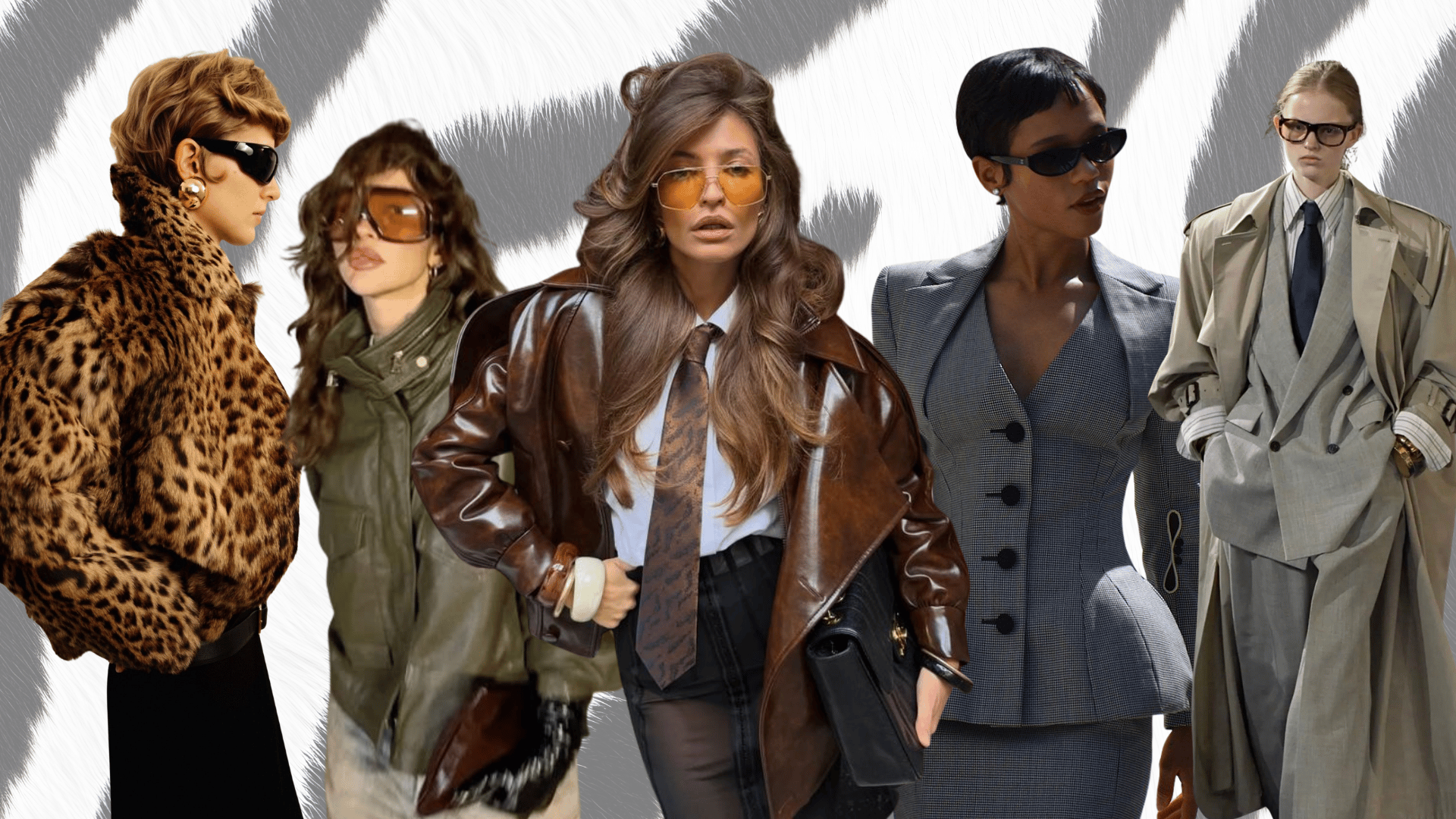
What Pinterest identifies as Glamouratti reflects a broader psychological and sociological shift: a collective desire for visual order in a time marked by uncertainty, acceleration, and fragmented identity. Structured silhouettes, oversized accessories, rich color palettes, and deliberate polish are re-emerging not to impress, but to stabilize. In moments when institutions feel unreliable and personal roles blur, fashion becomes a tool for reclaiming boundaries, coherence, and presence.
In this context, we look at fashion not just as what we wear, but as how we orient ourselves in the world. Glamouratti reveals something deeper than a trend cycle: a collective shift toward presence, structure, and visible composure. This is not glamour as performance, but glamour as reassurance, a way of dressing that restores boundaries when everything else feels fluid.
To understand why this aesthetic resonates now, it helps to look backwards.
The Decade of Decadence: Then
The “decade of decadence” most commonly refers to the late 1970s through the 1980s, a period marked by conspicuous consumption, visual excess, and aspirational wealth. In the West, particularly in the United States and the UK, this era coincided with economic expansion, increased employment, and higher levels of disposable income. Policies such as Reaganomics in the U.S. encouraged corporate growth and individual wealth accumulation, shaping a culture that openly celebrated success, ambition, and visibility. There was a downside: the rich got richer, and income inequality disparities increased.
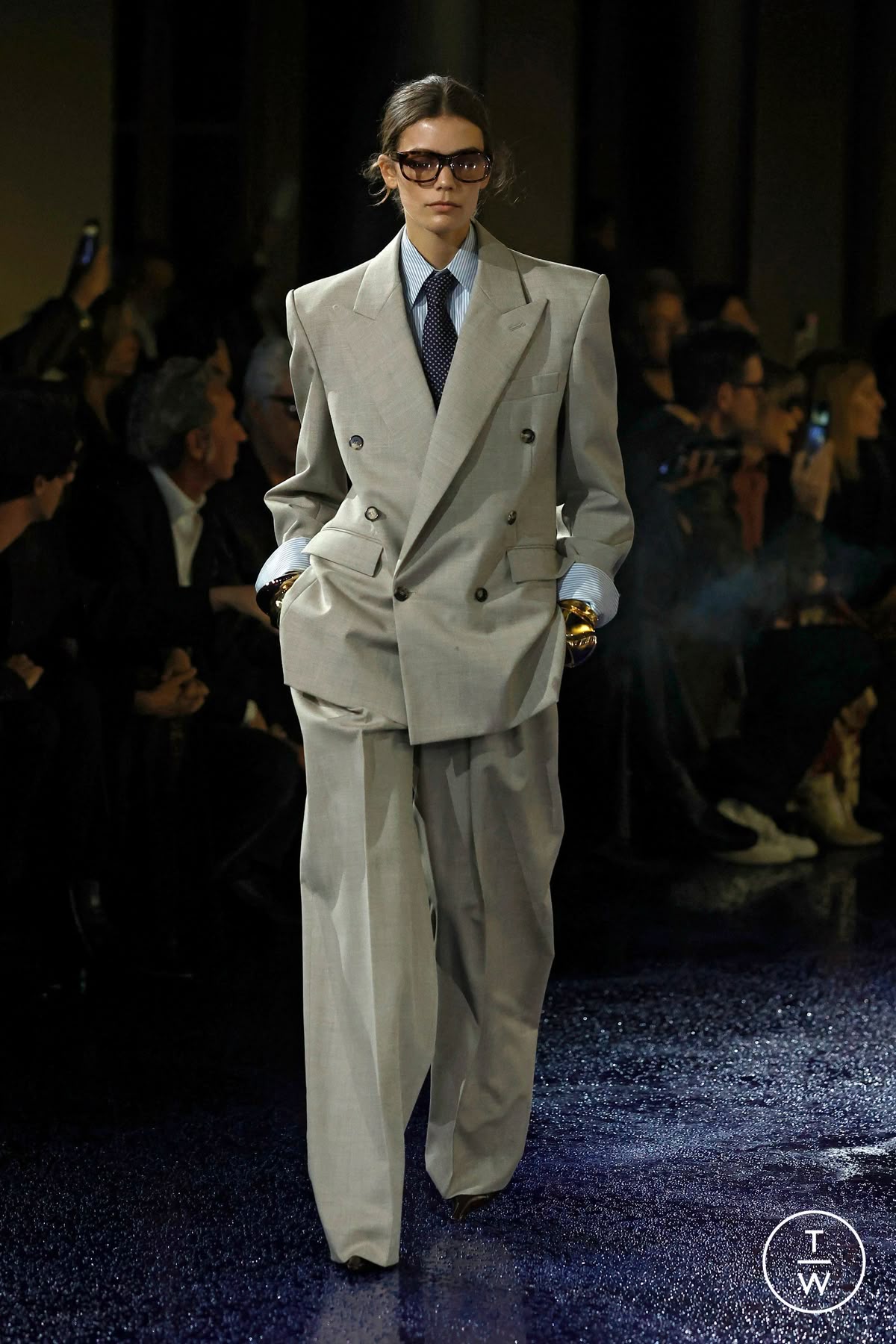
Fashion became a visual language of status. Exaggerated silhouettes, pronounced shoulders, sharp tailoring, high-gloss finishes, statement jewellery, and opulent fabrics signalled power, authority, and social positioning. Clothing functioned as social armour — not merely decorative, but declarative.
It is important, however, to acknowledge that this prosperity was unevenly distributed. Marginalized communities continued to face systemic economic exclusion. Yet within these constraints, fashion was often characterized by bold color, oversized jewelry, and aspirational glamour, a visual assertion of presence in spaces where material access was restricted. In this context, glamour functioned as both resistance and aspiration.
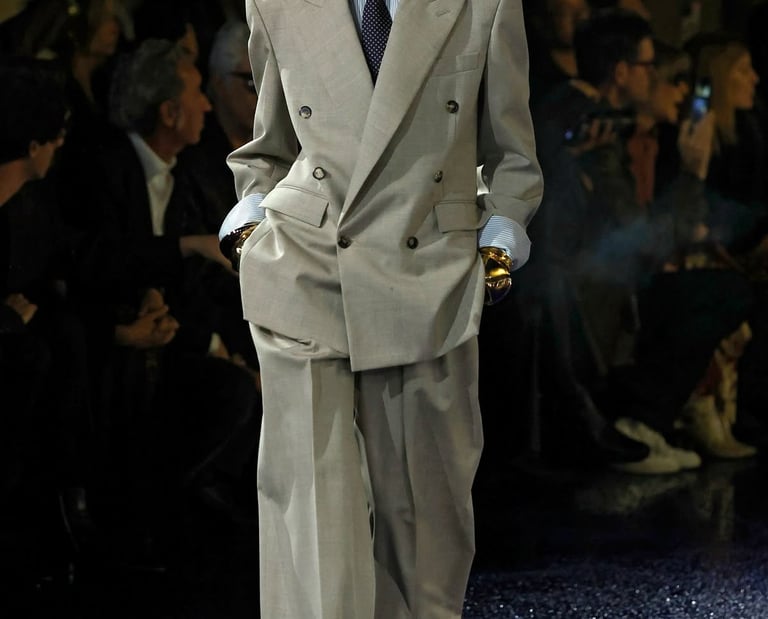
Credit: Pinterest/ photographers/Saint Laurent SS25/ all the people featured
Why Glamour Returns Now
Today’s return to glamour is not driven by political stability, but by its opposite. From a psychological perspective, Glamouratti reflects a collective response to prolonged uncertainty. When culture feels accelerated, fragmented, and digitally abstract, people seek visual systems that restore coherence. Fashion, as a form of nonverbal communication, responds by grounding the body in form, weight, and intention. While the current economic landscape contains both strengths and vulnerabilities, what matters most is perceived instability. When institutions feel unreliable and identity feels fragmented, appearance becomes a way to reassert control. This is why Glamouratti feels cohesive rather than chaotic. It is not about doing more. It is about holding shape.
Structure as Emotional Stability
Broad shoulders, cinched waists, oversized tailoring create visual order. These shapes do not aim to soften; they stabilize. They define boundaries.
Psychologically, this aligns with enclothed cognition, which suggests that what we wear influences how we feel and behave. Clear, structured silhouettes reduce visual ambiguity, offering a sense of external containment when environments feel unpredictable. The prevalence of oversized jackets and trousers also introduces ease, suggesting a desire to feel both protected and unrestrained.
Sociologically, this echoes Erving Goffman’s concept of self-presentation. When roles blur between work, leisure, and identity, individuals rely more heavily on appearance to reassert distinction and composure. In this sense, Glamouratti feels like a full-circle moment: a modern reinterpretation of 1980s power dressing, where sharp shoulders and gold jewelry once communicated aspiration and authority — now translated into contemporary restraint.
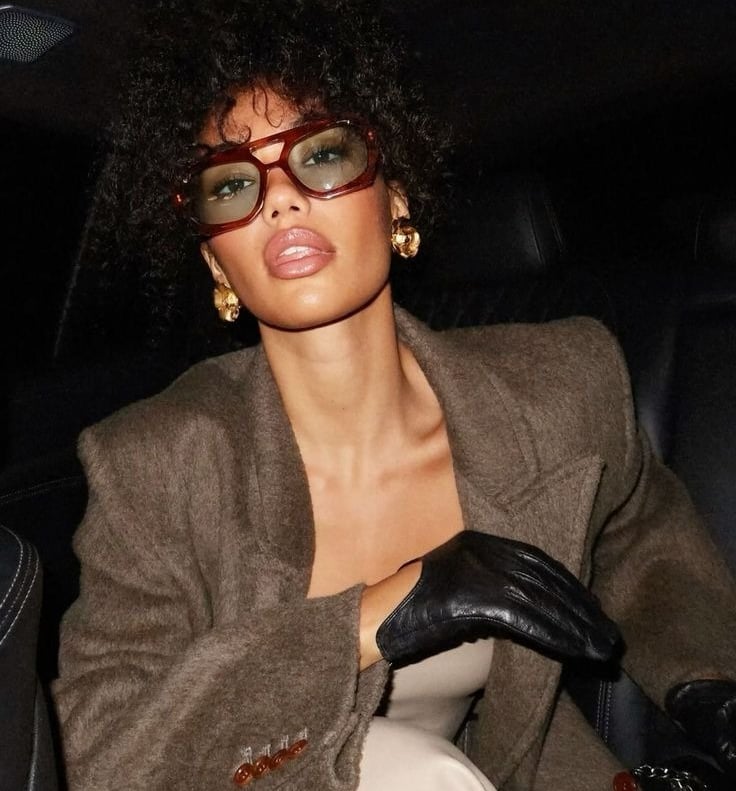
Accessories Gain Weight Again
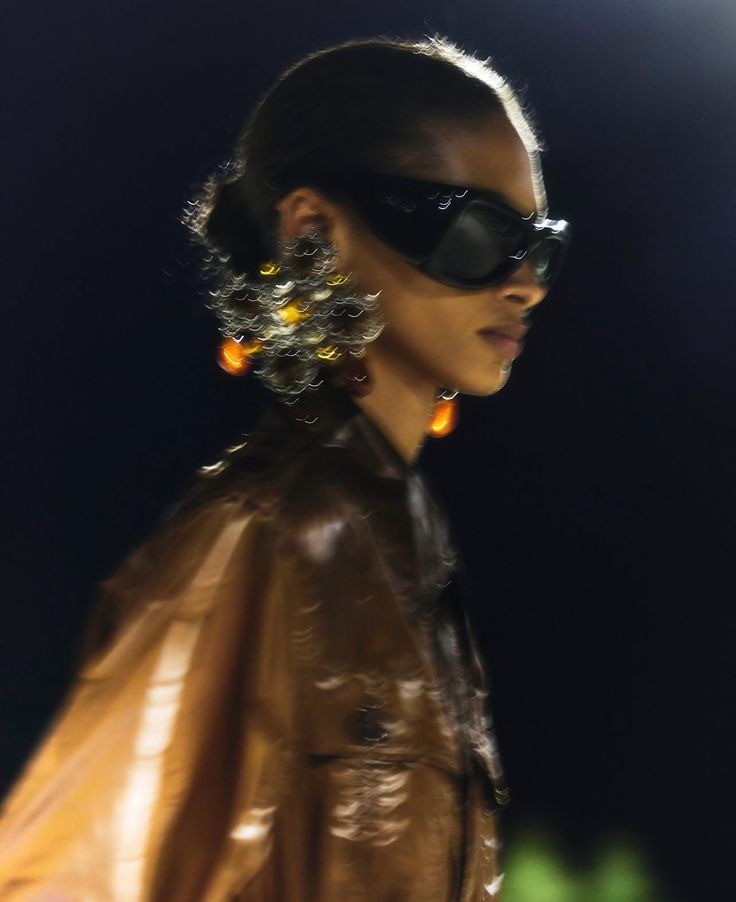
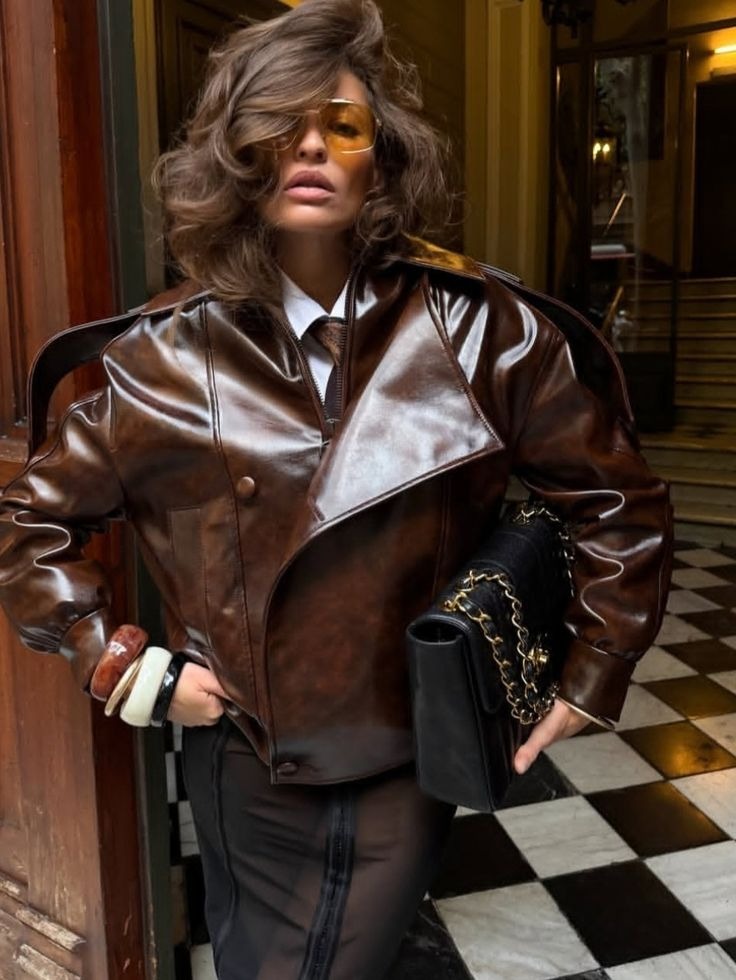
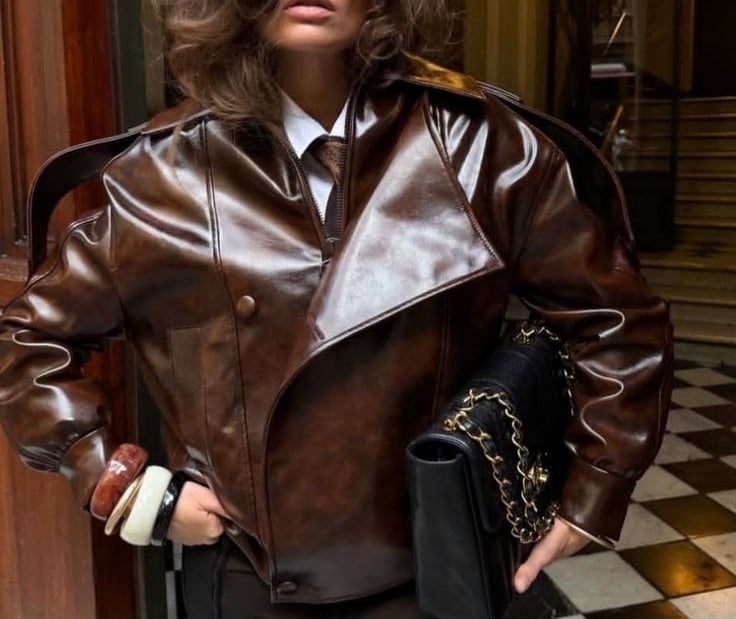
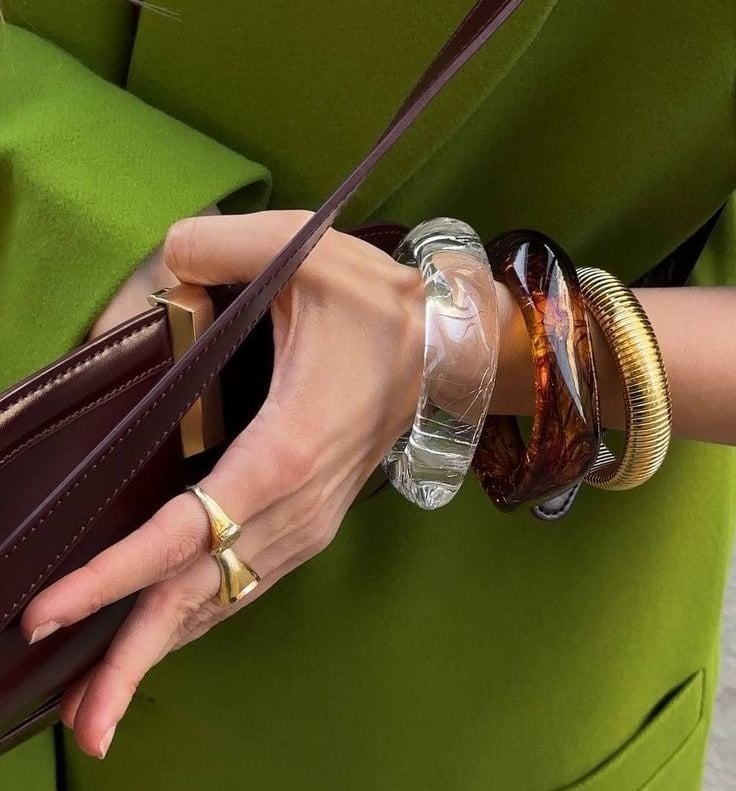
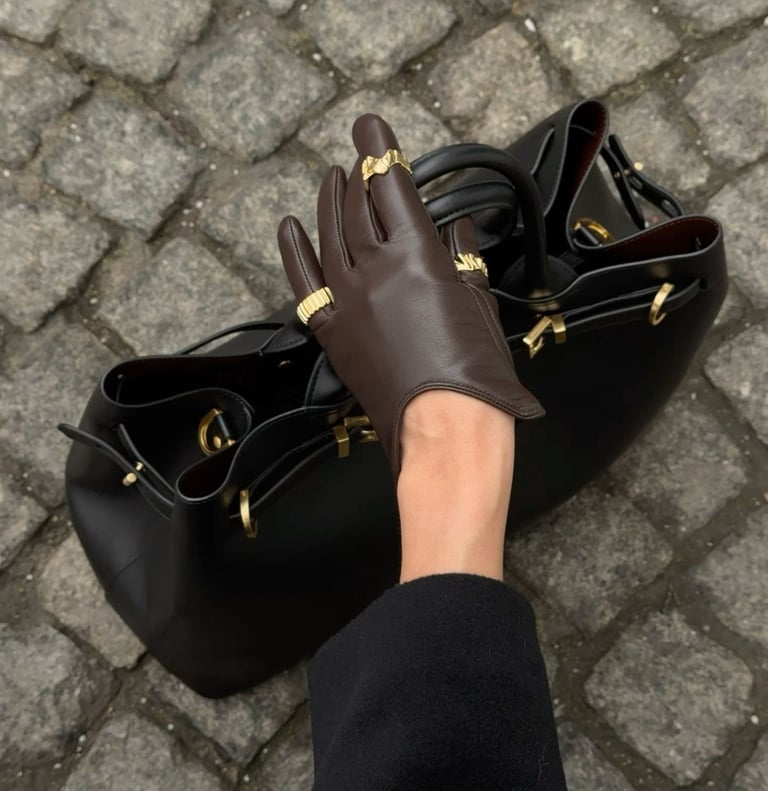
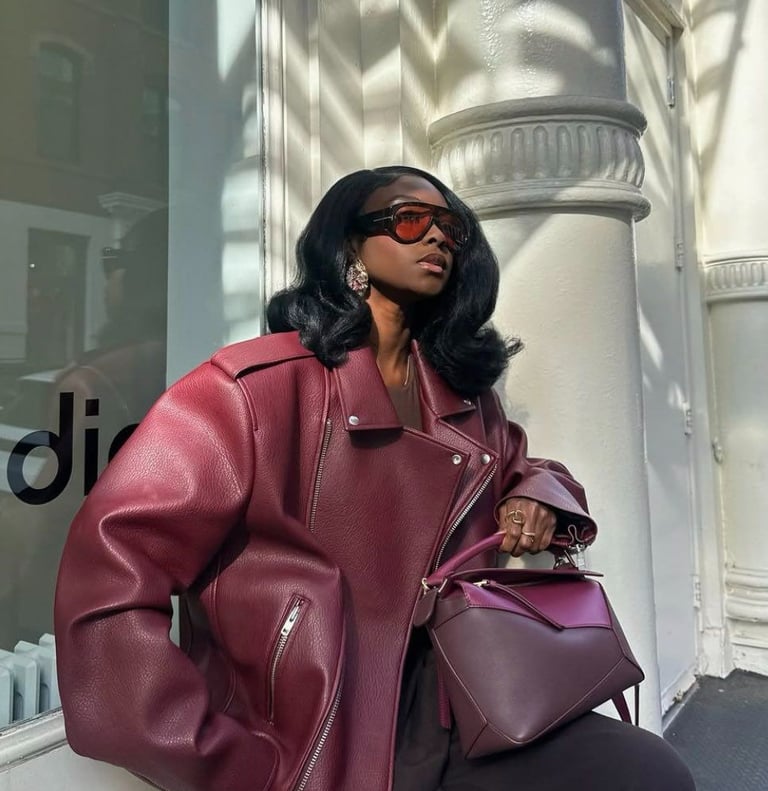
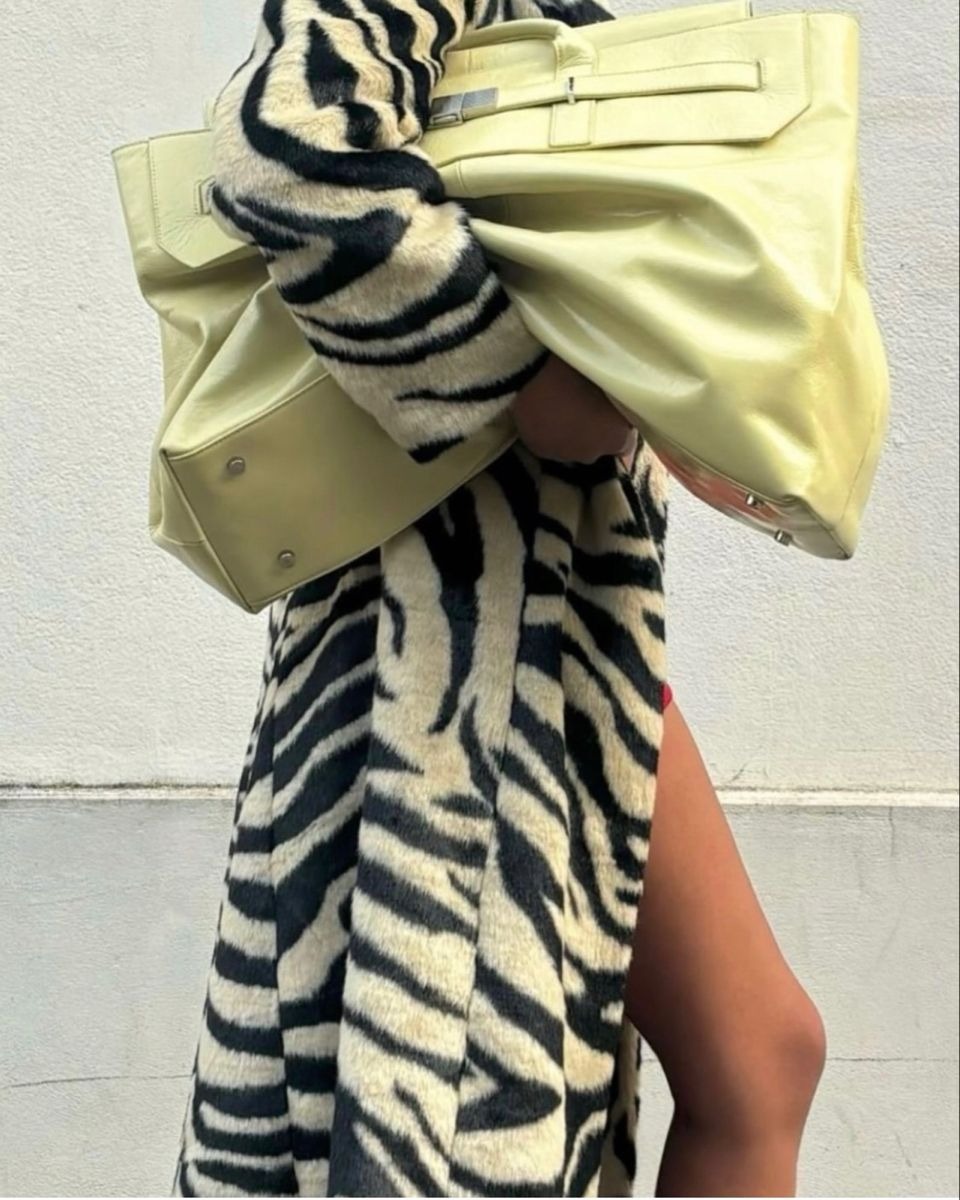
Oversized bags, chunky gold jewelry, and large statement eyewear reintroduce material certainty.
In an increasingly digital and intangible culture, weight becomes symbolic. Embodied cognition theory suggests that physical sensations influence emotional perception; heavier objects feel more real, more reliable. Gold signifies permanence and value. Large bags signal capability and preparedness. Oversized glasses evoke retro glamour while also offering both visual presence and functional protection. These choices communicate readiness rather than indulgence.
Sociologist Pierre Bourdieu describes fashion as a carrier of symbolic capital, the visible accumulation of prestige, recognition, and legitimacy. Symbolic capital emerges from the interaction of economic resources, cultural knowledge, education, and social positioning.
Today’s glamour is not about displaying wealth loudly, but about signaling competence and fluency. In uncertain times, symbolic capital becomes especially valuable; it reassures both the wearer and the observer that order, capability, and belonging are still intact.
Color as Psychological Language
Glamourattti leans into deep, emotionally resonant tones:
Burgundy signals depth, ambition, and emotional maturity without aggression.
Deep blues communicate trust, composure, and intellectual calm.
Warm neutrals and chocolate browns replace stark minimalism with grounded richness.
These colors do not demand attention. They sustain it.
Pinterest captures aspiration before performance. Unlike fast, reaction-based platforms, Pinterest functions as an identity rehearsal space. Users pin not who they are, but who they intend to become. Glamouratti’s rise signals a collective desire to feel polished, intentional, and visibly composed again.
What Glamoratti Ultimately Reveals About Now
This return to glamour is not about conspicuous consumption. It is about reclaiming boundaries in a world that has demanded constant flexibility, availability, and emotional openness — while simultaneously reflecting a desire for freedom, stability, and financial security. Sociologically, Glamouratti marks a shift away from hyper-minimalism and relatability culture toward distinction and formality, not as elitism, but as self-preservation.
Where the original decade of decadence reflected economic expansion and visible ambition, today’s glamour reflects psychological and social compensation. Broad shoulders, oversized accessories, and grounded color palettes function as visual anchors — restoring a sense of order when identity, labor, and stability feel increasingly fluid.
Ultimately, Glamouratti reveals that fashion does more than follow trends; it signals capability and constructs meaning. In an era that demands constant adaptability, glamour returns not as excess, but as structure — dressing confidence as composure rather than performance.
Subscribe to our newsletter
Get the latest fashion and beauty updates from Haus of Lala—straight to your inbox.
Read More
© 2025. All rights reserved.
Contact information for general inquiries:
Email: info@lalashome.shop
Stay Inspired with Haus of Lala!
If you appreciate beautiful things done with intention, you’ll feel at home here. Join Haus of Lala for refined fashion, beauty, and lifestyle inspiration, thoughtfully curated and shared exclusively with subscribers.