
Is Clean Girl Makeup Dying — Or Are We Just Outgrowing It?
BEAUTY
1/12/2026
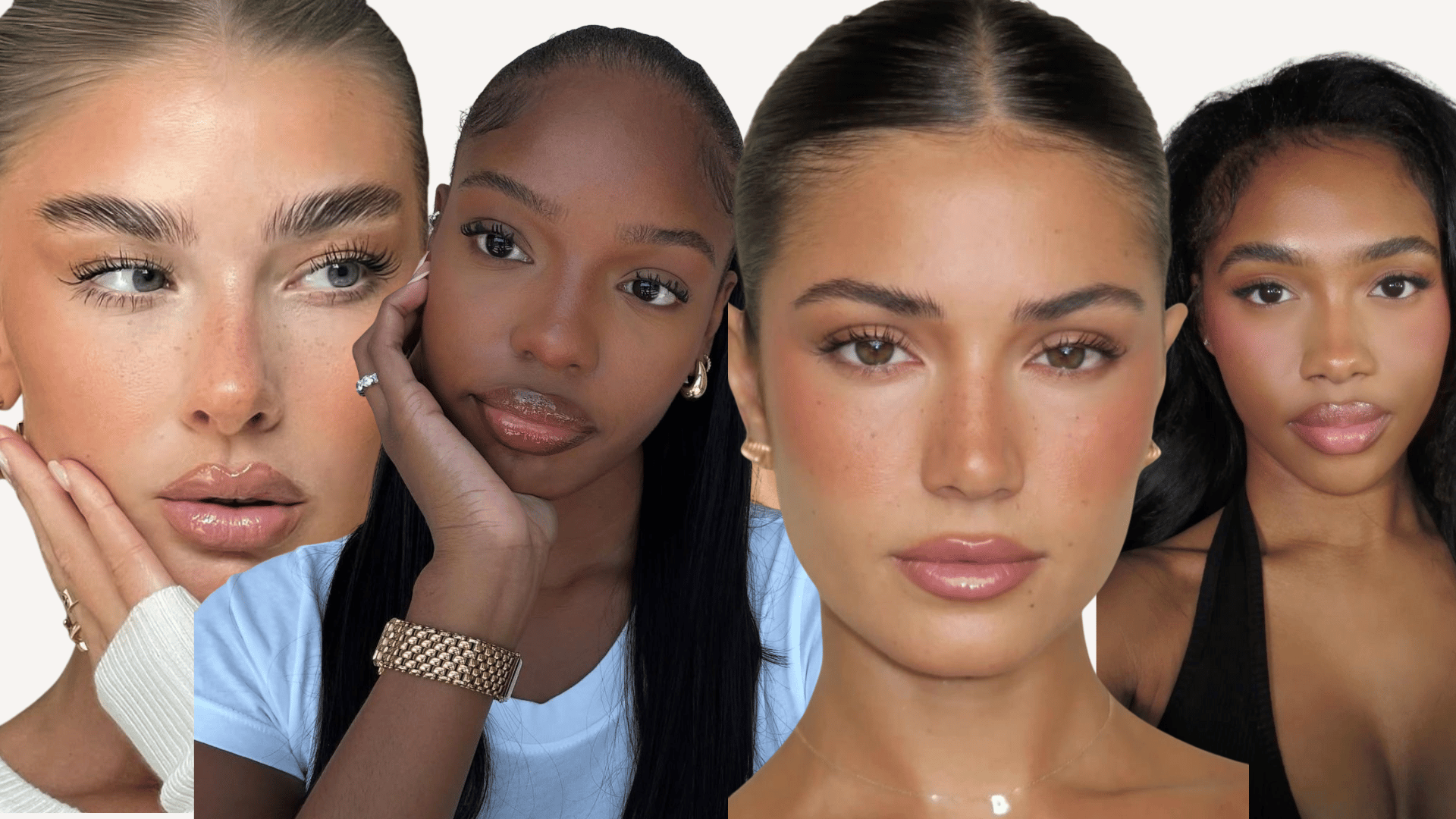
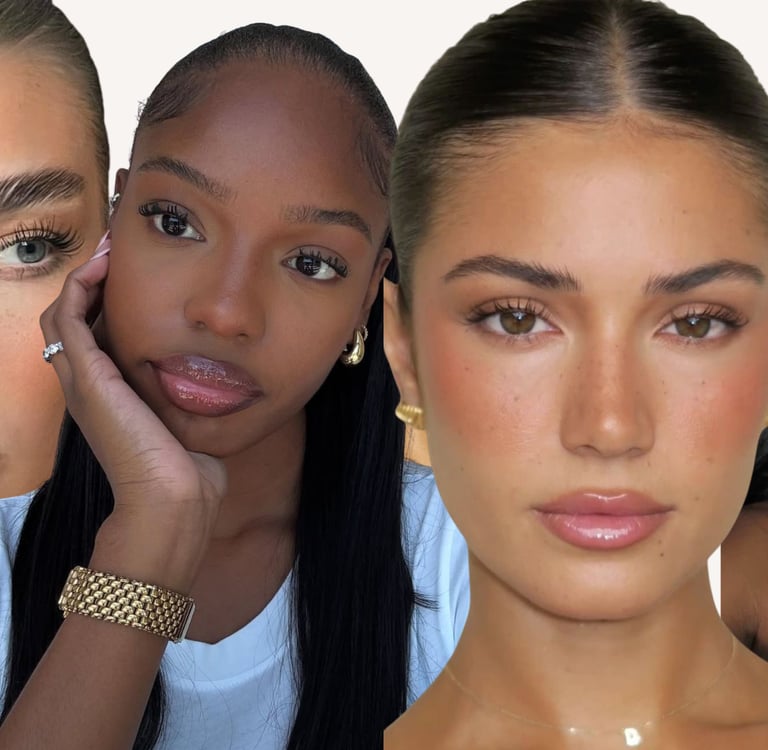
Clean girl makeup has defined a generation of beauty. Dewy skin, brushed-up soapy brows, glossy lips, and neutral tones came to represent a kind of effortless perfection. The look promised simplicity and ease, positioning itself as “natural,” timeless, and universally flattering. But clean girl makeup was never just about products or technique , it was an aesthetic shaped by psychology, culture, and quiet expectations.
Clean girl makeup is a beauty aesthetic centred on polished, skin-focused minimalism, dewy base makeup, brushed-up brows, subtle definition, and glossy lips designed to look effortless rather than obvious. While it was popularized in recent years through social media and celebrity culture, the aesthetic itself is not new. Long before it was named or aestheticized, Black and brown women were already embracing similar beauty practices, prioritizing glowing skin, groomed brows, and lip gloss as everyday staples rooted in community, practicality, and self-expression. What changed wasn’t the look, but how it was rebranded and centred within mainstream beauty culture, becoming associated with wellness, restraint, and aspirational lifestyles.
Psychologically, the appeal of clean girl makeup lies in what it signals. In moments of cultural uncertainty, people tend to gravitate toward aesthetics that convey control and stability. Clean girl makeup offered a calm, orderly image during a time of global anxiety. Looking minimal became a way of communicating that life was manageable, even when it felt chaotic. In a post-pandemic world marked by anxiety and overstimulation, minimal beauty felt grounding. Clean girl aesthetic was fuelled by celebrities such as Hailey Bieber in 2021. The appeal wasn’t just visual; it was emotional. Looking polished yet understated suggested discipline, wellness, and having your life together. The cleaner the face, the calmer the signal. Psychologically, this aligns with aspirational identity theory — we adopt aesthetics not just to look a certain way, but to feel closer to the version of ourselves we want to be.
Credit: Pinterest/ all women featured in this image
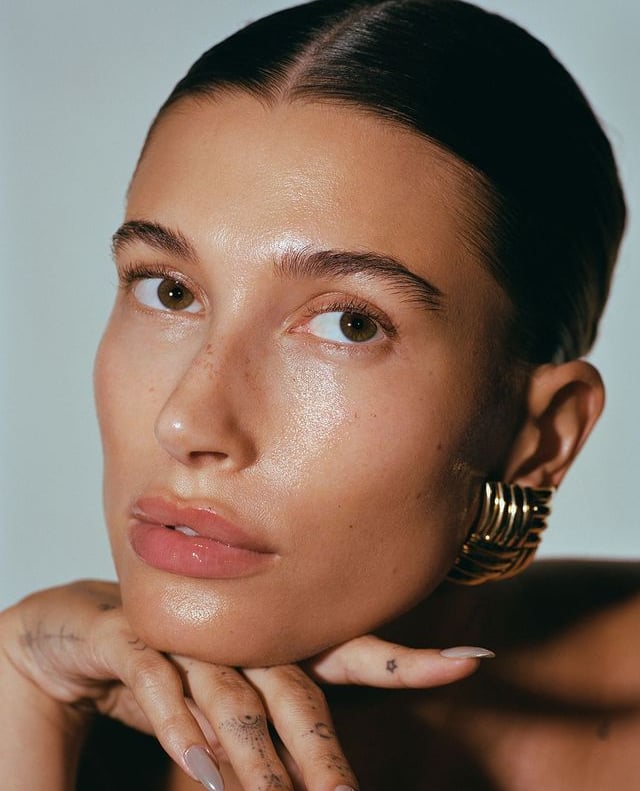
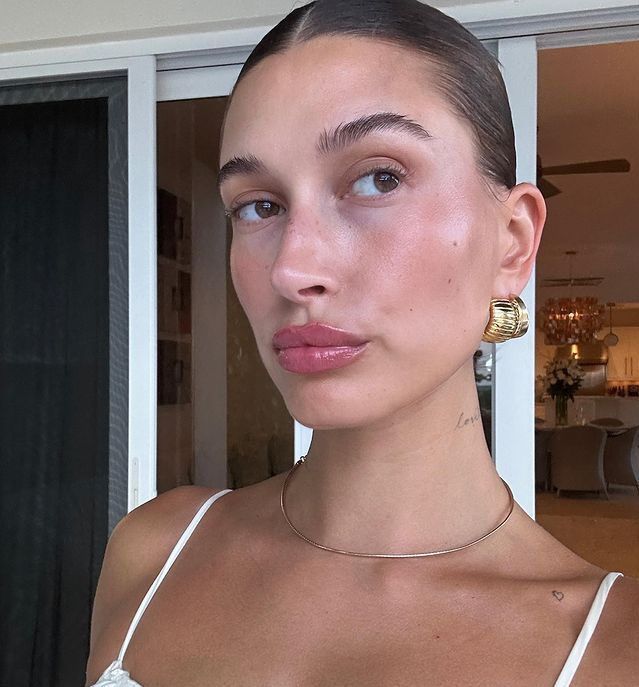
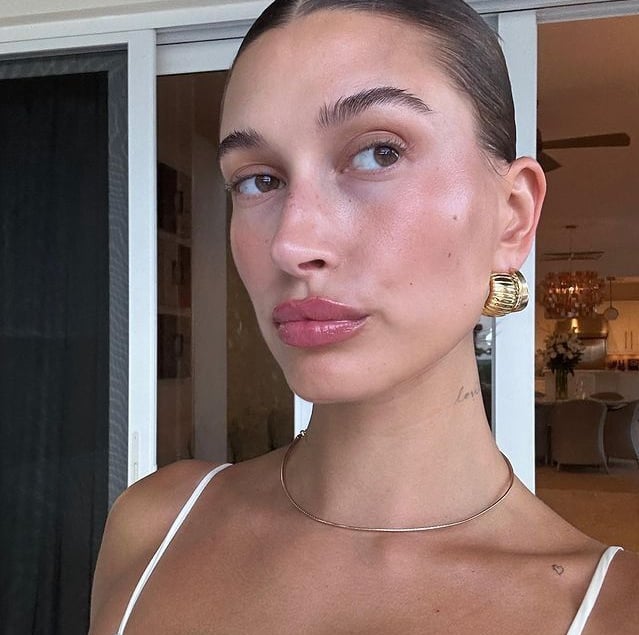
Credit: Pinterest/ Hailey Bieber
With the resurgence of 2016 nostalgia, however, beauty culture has begun to shift. There’s a renewed desire for the glamorous, full-face makeup looks that once defined that era. Heavy contour, bold eyes, glossy lips, and visible effort are re-entering the conversation. Artists like Zara Larsson and Tyla have helped fuel this return, embracing makeup that feels expressive, confident, and unapologetically bold. Their looks are less about restraint and more about presence, signaling a move away from minimalism and toward beauty that celebrates visibility and individuality again.
But the idea of “natural” beauty has never been neutral. Clean girl makeup relied heavily on already-aligned beauty traits: clear, even skin; symmetrical features; lighter or less visibly textured complexions; and hair that fits neatly into slicked-back styles. What was framed as effortless often depended on invisible labor, and the aesthetic quietly centered a narrow set of beauty standards while presenting itself as universal.
There’s also a deeper reason why the look was so widely praised. The no-makeup makeup look has long been considered the most desirable form of femininity because it appears soft, agreeable, and unthreatening. Clean girl makeup didn’t demand attention; it reassured the viewer. It aligned closely with beauty that looks effortless, controlled, and non-confrontational. In this way, it reinforced the idea that the most acceptable beauty is the kind that doesn’t ask to be seen too loudly.
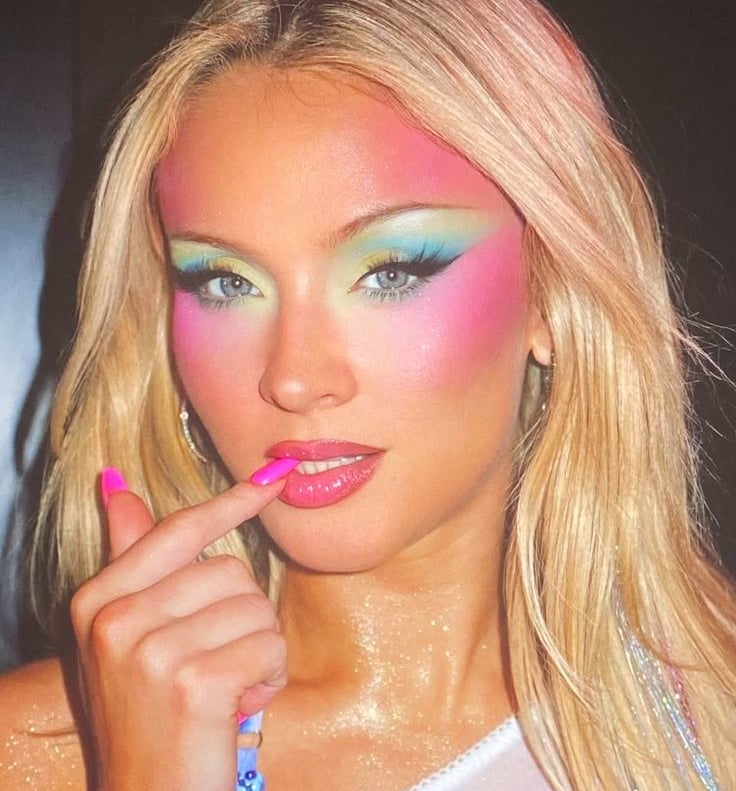
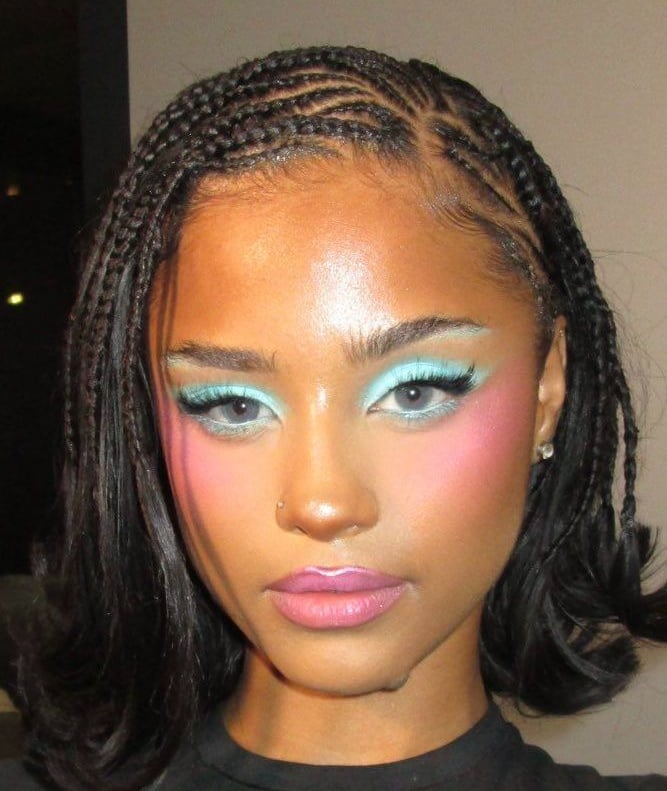
Over time, these quiet rules began to feel restrictive. When one aesthetic dominates for too long, it stops feeling like a choice and starts feeling like an obligation. Clean girl makeup left little room for experimentation, emotion, or visible intention. Color felt excessive. Texture felt messy. Expression had to be softened. Effortlessness became something to perform rather than something to enjoy.
Now, beauty culture is shifting again. Makeup is becoming more expressive, bolder blush, sharper liner, richer lips, visible shimmer. This isn’t a rejection of clean girl makeup, but a response to aesthetic fatigue. Trend cycles naturally swing toward the opposite of what has been over-consumed. Psychologically, this reflects a desire to reclaim individuality after prolonged conformity. People want beauty to feel personal again, not prescriptive.
Clean girl makeup isn’t disappearing, but it is losing its position as the ideal. It’s becoming one option among many rather than the standard everyone is measured against. This shift suggests that we’re not abandoning minimalism, we’re outgrowing the idea that restraint equals superiority. Beauty no longer needs to look effortless to be valid.
We see this moment as a quiet evolution. A move away from perfection as virtue and toward expression as honesty. Whether that means bare skin or bold liner, softness or drama, the most meaningful beauty is intentional, chosen, not imposed. Clean girl makeup isn’t dying because it failed. It’s fading because we’re learning to want more room to be ourselves.
Mwah, bye for now xx
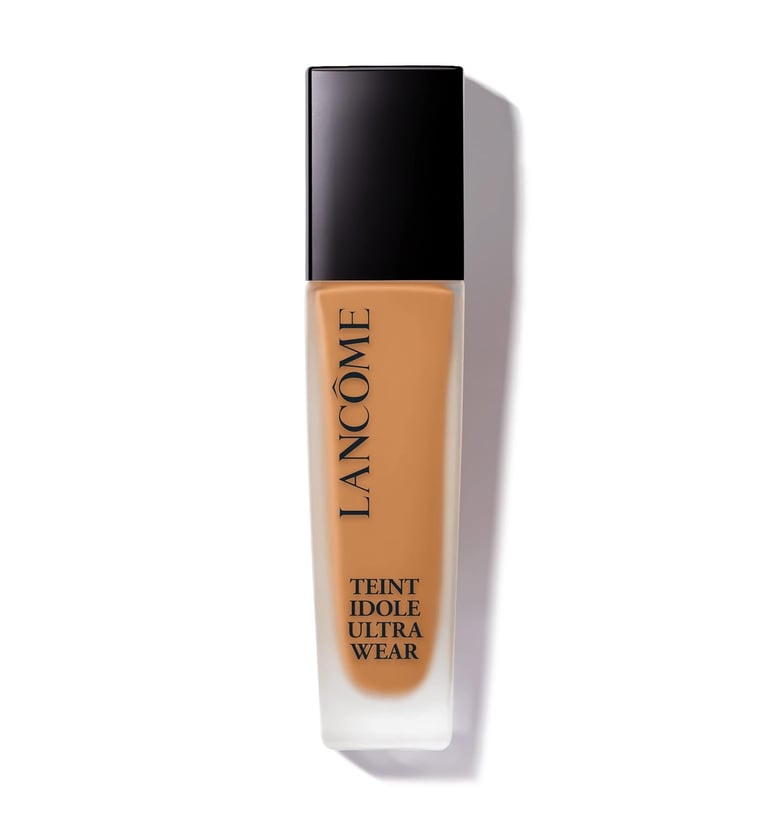
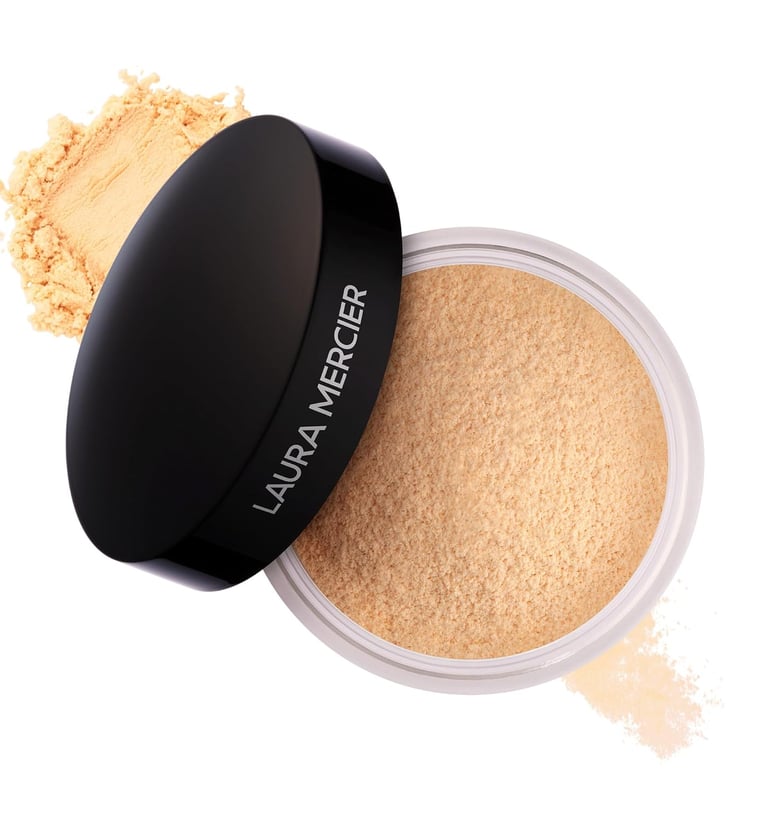
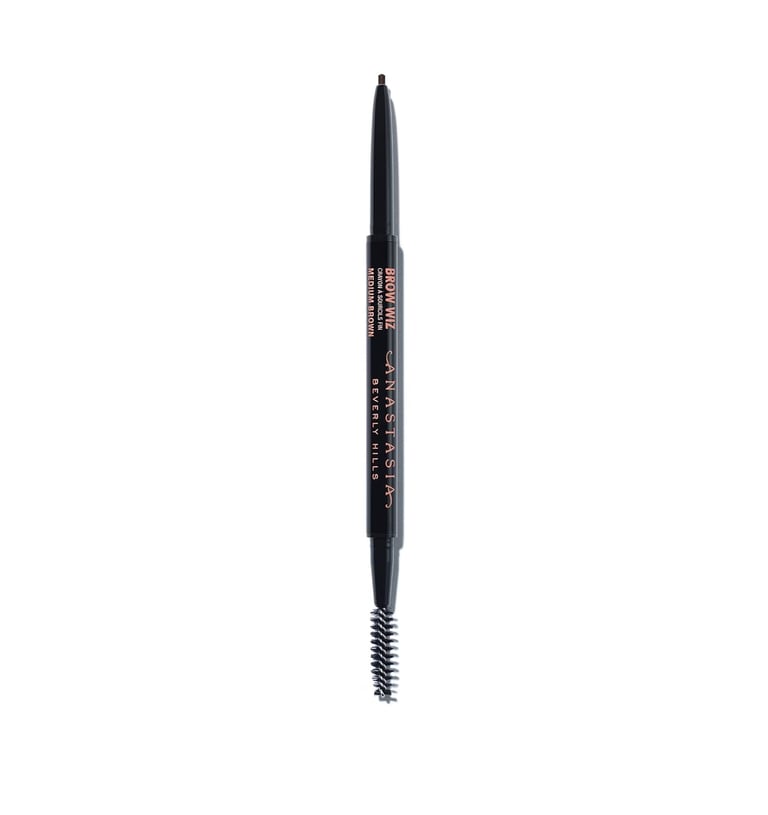
If You’re Re-Exploring Your Makeup Style
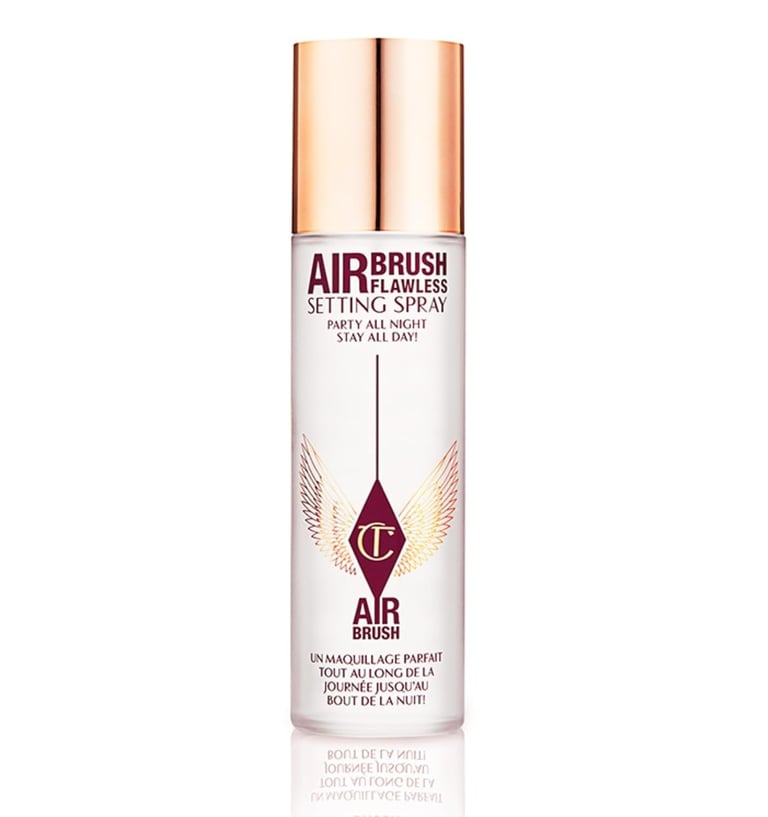
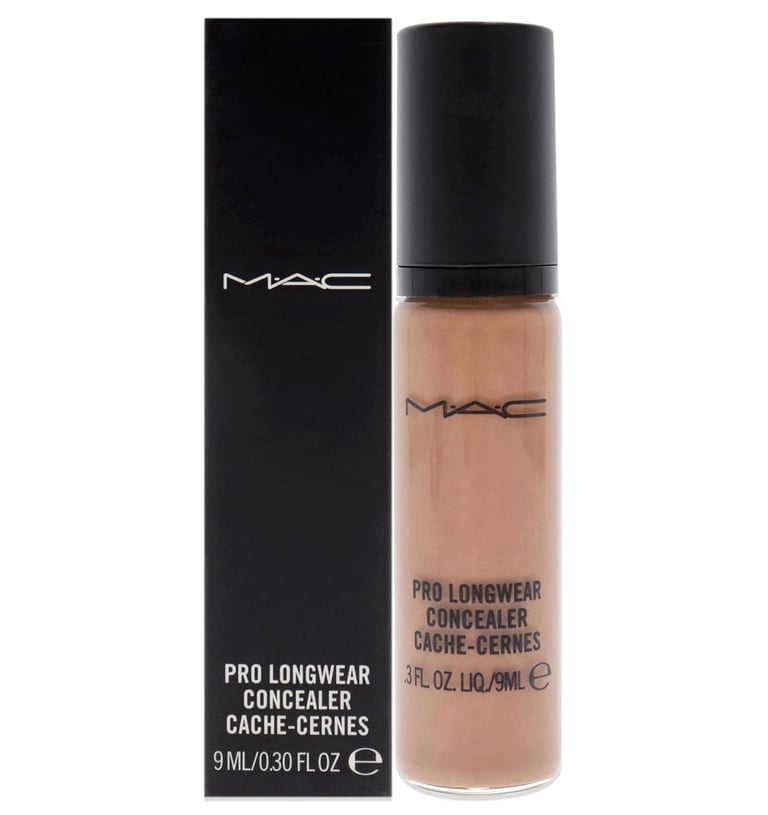
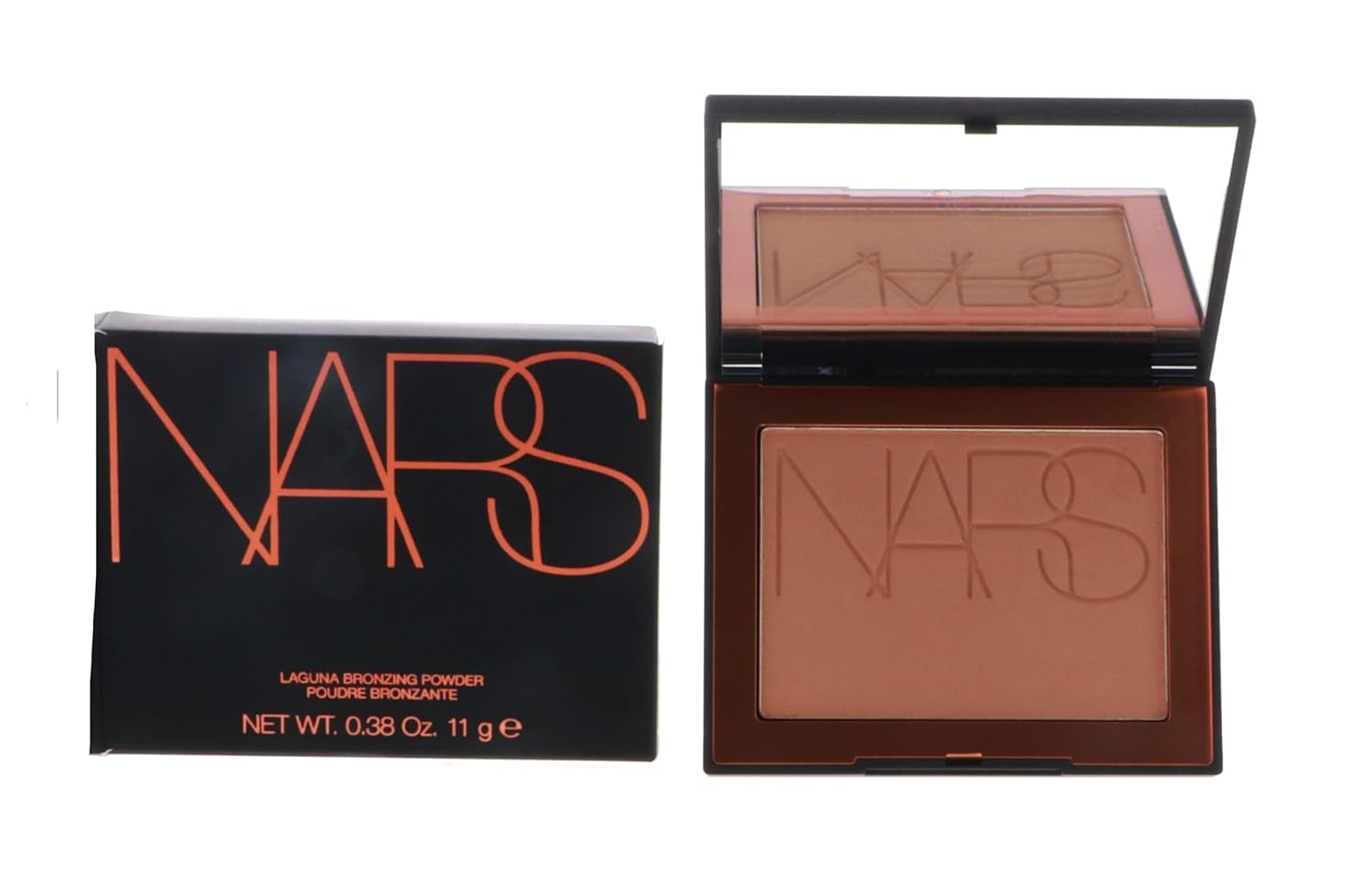
Here are a few Haus of Lala–approved staples that we love and recommend. They work across aesthetics, allowing you to move between minimal and expressive with intention:
Subscribe to our newsletter
Get the latest fashion and beauty updates from Haus of Lala—straight to your inbox.
Read More
© 2025. All rights reserved.
Contact information for general inquiries:
Email: info@lalashome.shop
Stay Inspired with Haus of Lala!
If you appreciate beautiful things done with intention, you’ll feel at home here. Join Haus of Lala for refined fashion, beauty, and lifestyle inspiration, thoughtfully curated and shared exclusively with subscribers.