
The Art of Scent Layering
BEAUTY
1/16/2026


Scent layering is more than a beauty trend — it’s a way of curating how you’re remembered. Long after an outfit is forgotten, scent lingers in the mind. It shapes first impressions, triggers memory, and quietly communicates mood, identity, and intention.
At its core, scent layering is the practice of combining multiple fragranced products, perfumes, oils, lotions, or body mists, to create a scent that feels personal rather than pre-packaged. Done well, it turns fragrance into something intimate and expressive. Done poorly, it overwhelms. The difference lies in balance, intention, and understanding how scent actually works.
Smell is the most emotionally charged of our senses. Unlike sight or sound, scent bypasses rational processing and travels directly to the limbic system, the part of the brain responsible for memory and emotion. This is why a single note can transport you back years in an instant.
When you layer scent, you’re not just mixing fragrances. You’re shaping emotional associations. Soft musks can feel comforting and safe. Citrus notes can signal freshness and energy. Spices and ambers suggest depth, confidence, and intimacy. Layering allows you to control that narrative.
The Structure of a Fragrance (And Why It Matters)
Every fragrance is built in layers of its own:
Top notes: What you smell first. Usually light and fleeting (citrus, herbs, aldehydes).
Heart notes: The core personality of the scent (florals, fruits, spices).
Base notes: What lingers on skin for hours (woods, musk, vanilla, amber).
Successful scent layering works with this structure, not against it. The goal is harmony, letting each layer support the others rather than compete.


How to Start Scent Layering
1. Begin With the Skin
Fragrance sits differently on hydrated skin. Using a lightly scented or unscented body lotion creates a smooth base and helps your scent last longer. If you do go for a scented lotion, stick to neutral notes like vanilla, shea, almond, or soft musk. For that subtle, lit-from-within glow, layer a body oil before your lotion—or even mix them together. Our favorites? Palmer’s body oil and Sol de Janeiro Glowmotions Glow Body Oil as the final touch.
2. Choose a “Base Identity” Scent
This is your anchor — the fragrance that feels most like you. It’s often warm, subtle, and close to the skin. Musks, ambers, woods, and soft gourmands work well here. Spray on your neck, wrists, and inner elbows and behind the knees. Apply this first and lightly. Everything else should build around it.
3. Add Contrast or Dimension
Your second layer should add interest, not volume. This could be:
A bright citrus to lift a heavy base
A floral to soften something woody
A spicy note to deepen something clean
Apply this more sparingly than your base. Think of it as an accent, not the main character.
4. Finish With a Skin Scent or Mist
Body mists or perfume oils can blur the edges of your layered scent, making it feel more cohesive and lived-in. This final layer should sit close to the skin — something intimate rather than attention-grabbing.


Popular Layering Combinations
Vanilla + Clean Musk → comforting, effortless, quietly addictive
Citrus + Neroli or Orange Blossom → fresh but sophisticated
Rose + Wood → romantic without being overly sweet
Amber + Spice → warm, confident, and grounding
Fig + Creamy Notes → modern, soft, and understated
The key is shared DNA. Notes that naturally appear together in perfumery tend to layer well because they speak the same olfactory language.
Day vs. Night Layering
Scent layering can also shift with time and context.
Daytime layering works best when it’s lighter and airier. Focus on freshness, softness, and subtle projection.
Evening layering can handle depth. Rich bases, spices, and warmer notes feel more appropriate and intentional.
Rather than owning completely different perfumes, layering allows one scent to evolve with you throughout the day.
Common Mistakes to Avoid
Too many strong perfumes at once — this creates confusion, not complexity.
Ignoring skin chemistry — always test layers on skin, not blotters.
Matching everything perfectly — contrast is what makes a scent memorable.
Layering should feel intuitive, not forced. If you’re constantly aware of the scent, it’s probably too much.
Scent as Personal Language
In a world where trends move fast and aesthetics are easily replicated, scent remains deeply personal. You can wear the same outfit as someone else, but you will never smell the same. Scent layering turns fragrance into a quiet form of self-expression. One that doesn’t ask for attention, but leaves an impression anyway. It’s not about smelling like everyone else. It’s about smelling like yourself — intentionally.
An Easy Scent Combination
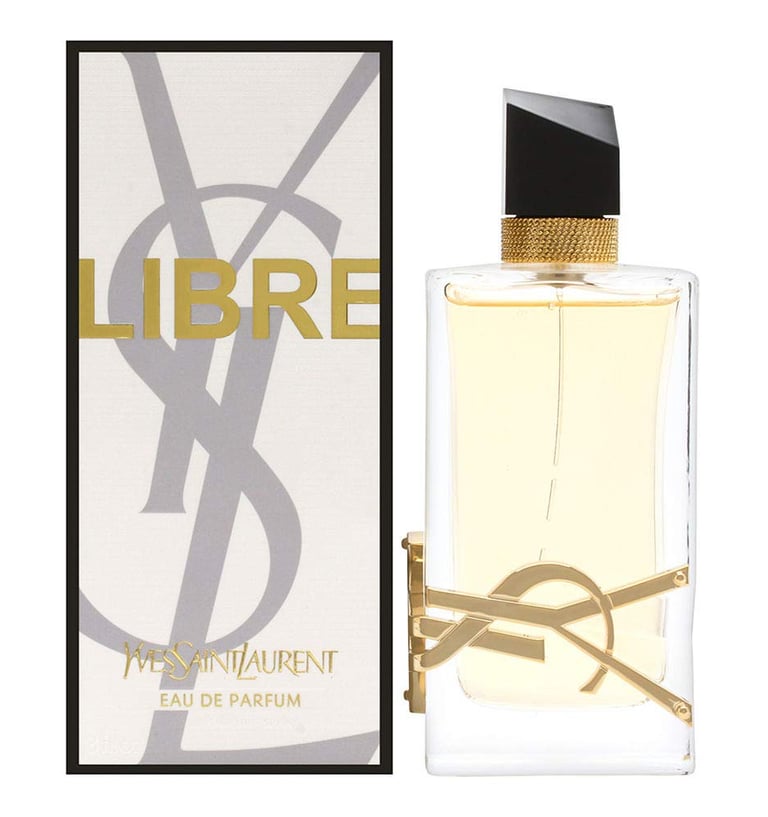
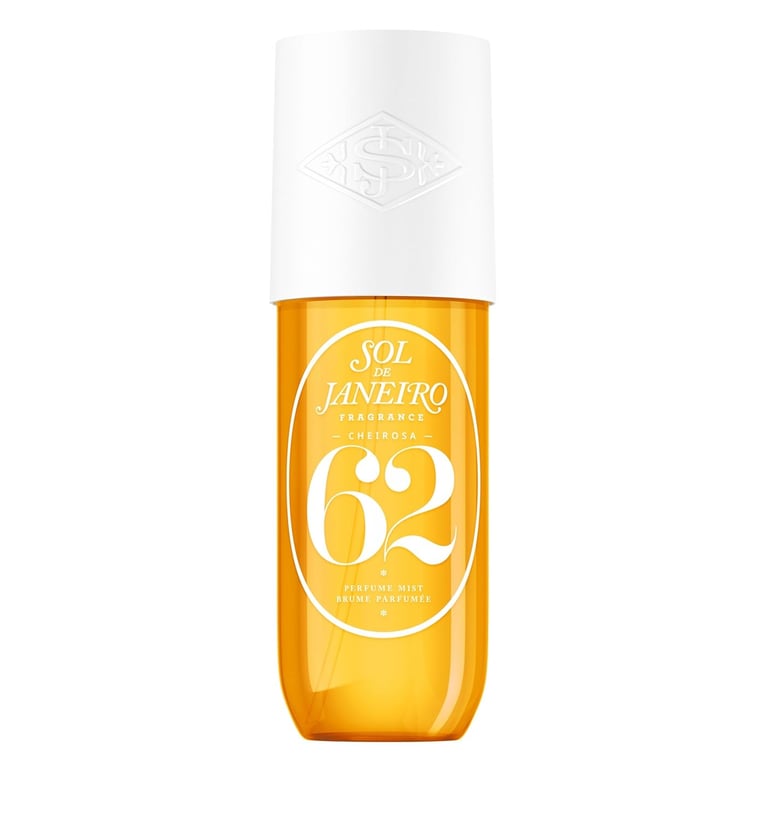
YSL Libre brings a sophisticated touch with its floral-lavender, vanilla and orange blossom notes. Layered with Cheirosa ’62, which offers pistachio, salted caramel, and vanilla, you get a warm, sweet gourmand base. The result is a fragrance that’s both uplifting and cozy—perfect for transitioning from day to evening.
Subscribe to our newsletter
Get the latest fashion and beauty updates from Haus of Lala—straight to your inbox.
Read More
© 2025. All rights reserved.
Contact information for general inquiries:
Email: info@lalashome.shop
Stay Inspired with Haus of Lala!
If you appreciate beautiful things done with intention, you’ll feel at home here. Join Haus of Lala for refined fashion, beauty, and lifestyle inspiration, thoughtfully curated and shared exclusively with subscribers.