
The Paradox of Self-Expression: Why Our ‘Unique’ Looks Are So Similar
1/5/2026
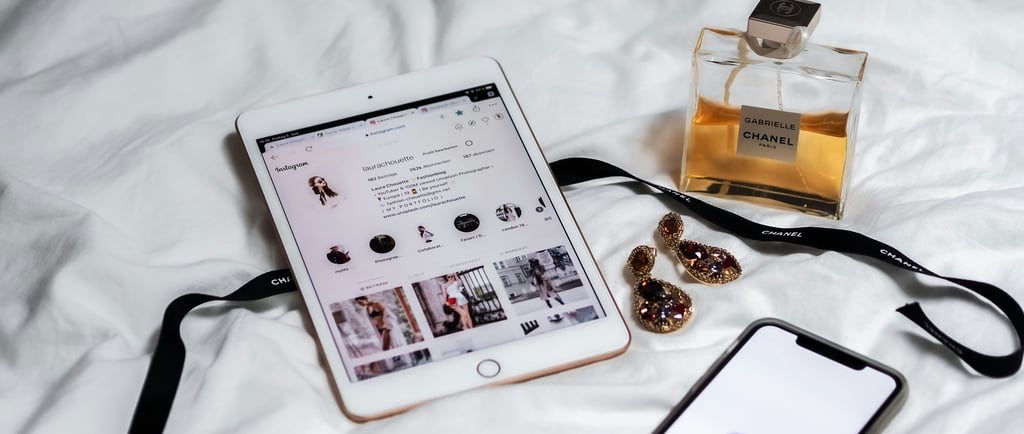
In 2025, fashion and beauty culture are caught in a curious contradiction. Everywhere we scroll, we’re told to “be yourself,” “express your individuality,” and “find your personal aesthetic.” Yet somehow, those same messages often lead to a world where everyone ends up looking and dressing similarly. Being different sometimes leads to you being labelled as “cringe” or some side-eyes. Trends such as the clean-girl look, quiet-luxury wardrobe, slick buns, and minimalist nails all contribute to this sense of uniformity. So, what’s really going on beneath the surface? Psychology has a lot to say about it.
Social Influence: The Hidden Force Behind Trends
Social influence refers to the subtle ways people’s thoughts, feelings, and behaviors are shaped by others. We often think we’re making independent fashion and beauty choices, but our preferences are profoundly affected by what’s considered “normal,” “stylish,” or “aesthetic” — ideas built collectively, not individually.
Psychologist Muzafer Sherif, 1930s, discovered that people’s perceptions shift when they’re in groups. Even when there’s no clear answer, we tend to align with others’ opinions to feel secure. The same thing happens today — only the “group” is online. Even in the slightest ways where people comment on TikTok or other social media platforms, "here early have to form my own opinion", those are just one of many examples. When a certain skincare routine, lipstick shade, or capsule wardrobe becomes the norm, we quietly adjust. Not because we’re copying, but because fitting in feels safe, and approval feels good.
Influencers: The New Architects of Aesthetic Norms
Influencers sit at the centre of this whole individuality vs. conformity paradox. They’re the ones curating the images we double-tap, the aesthetics we copy, and the trends we swear are “us” even though millions of other people are doing the same thing. While there’s nothing inherently wrong with being influenced, belonging to a group and feeling inspired is a deeply human thing. However, there is a quiet danger when we stop thinking critically about why we want what we want. On the other hand, as much as influencers can capture the spirit of a trend, their power also comes with a downside or rather a responsibility. In the current global political climate, social media users are increasingly socially conscious and hyper-aware of representations in media and the meanings those representations convey. Influencers may miss the mark not out of malice, but rather due to misalignment or a lack of awareness of certain issues. In 2026, influence isn’t just about passing on a look; it’s about reading the room, holding awareness, and remembering that trends don’t exist in a vacuum. They float through culture, through context, through a world that’s watching closely.
The Runway: The Original Influencer
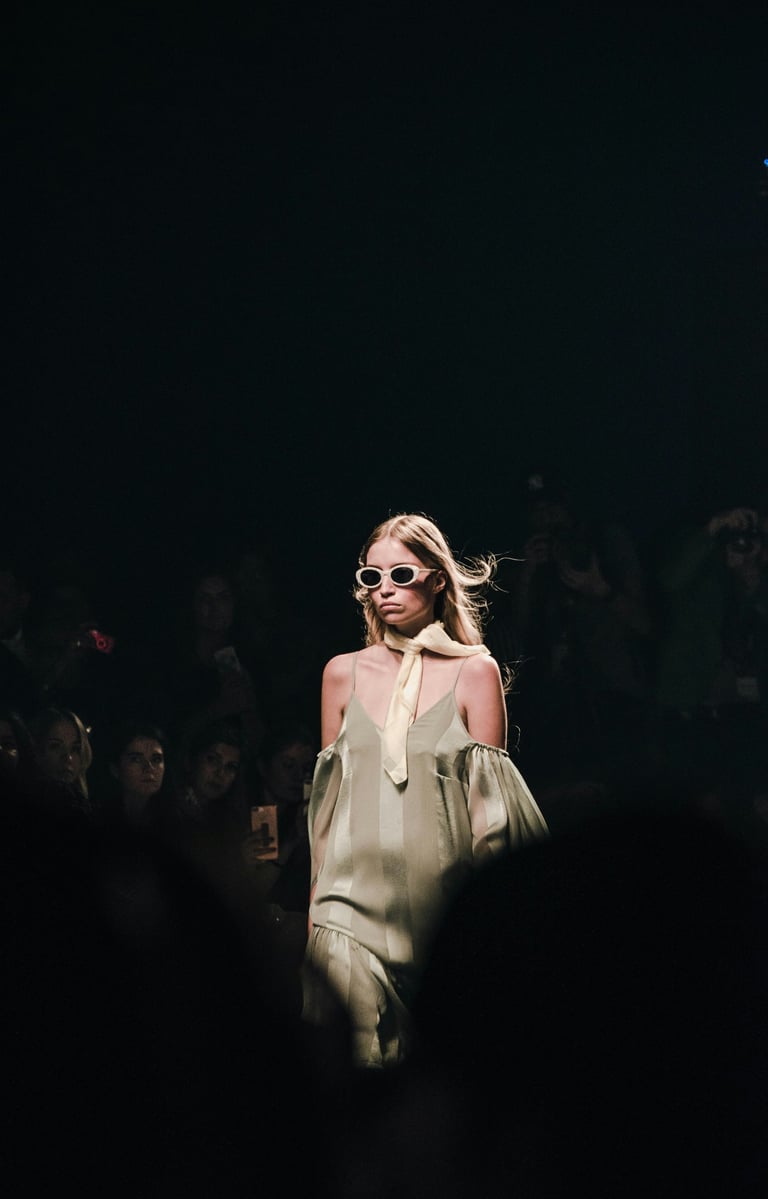
Of course, we can’t ignore the role of the runway — the birthplace of trends long before Instagram existed. Designers still set the tone for seasons with their silhouettes, textures, and themes. But what’s interesting in 2025 is how the relationship has become reciprocal. A runway show is more than models walking in outfits; it’s a visual manifesto, telling the world: this is what the moment feels like, this is what elegance, rebellion, or whimsy looks like now.
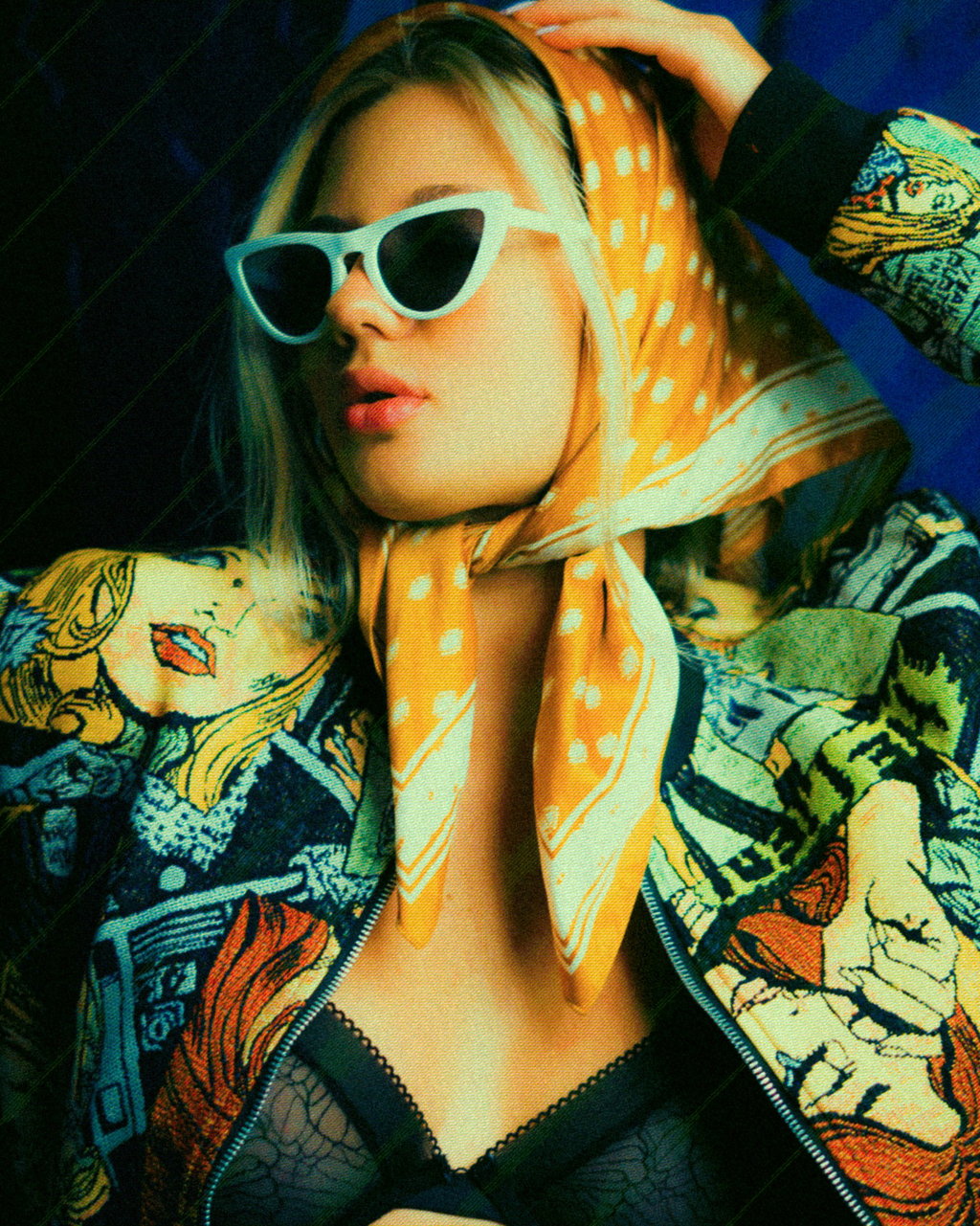
Those runway cues trickled down into social media, where influencers adapted the look for everyday life: soft skirts, ribbons in hair, satin flats, and subtle layering. Even if the exact runway pieces aren’t accessible, the silhouette and shape circulate online as aspirational style cues. In turn, designers notice which elements of the designs resonate digitally. the popularity of particular pieces, accessories, or colors digitally, and the runway evolves again to reflect both creative vision and the desires of audiences.
This push-and-pull shows a reciprocal relationship: the runway sets the initial tone, giving social media a blueprint to interpret and experiment with. Then social media amplifies, critiques, and sometimes reshapes that trend, feeding insights back to designers. What began as a singular runway vision becomes a living, evolving cultural language — experienced online, translated into everyday outfits, and circulated back to influence the next season’s runway.
In short: the runway tells us what could be, social media tells us what resonates, and together they craft the trends that define how we express ourselves — both online and offline.
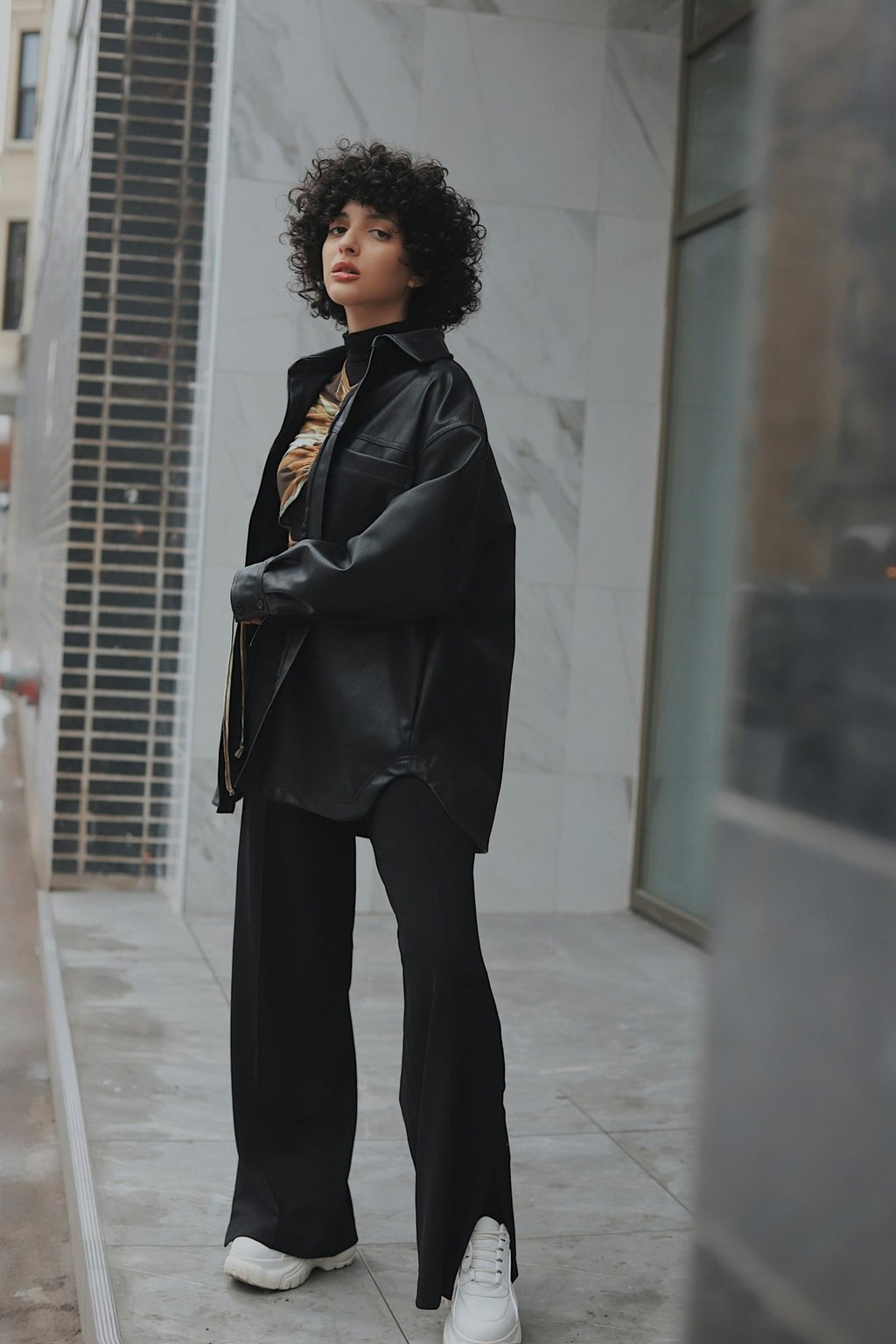
Why “Being Yourself” Starts to Look the Same on Everyone
One of the most overlooked forces behind modern fashion and beauty trends is something deceptively simple: liking. Psychology shows that we are far more likely to agree with, imitate, and comply with people we like — even when that liking is shallow, brief, or based on surface cues. Research shows that we are more likely to follow requests, advice, or trends from people we find attractive, relatable, or friendly. In the age of social media, liking has quietly become one of the strongest engines of aesthetic conformity.
We don’t copy trends because we’re incapable of originality. We copy them because our brains are wired to affiliate. When we admire someone, find them attractive, relatable, or familiar, we’re more likely to trust their taste and adopt their recommendations. This is why influence today rarely feels forceful. It feels friendly.
Influencers don’t need to tell us what to wear or how to look explicitly. Their power lies in soft authority, the kind that comes from credibility, warmth, and relatability rather than hierarchy or commands. When an influencer feels like someone we could be friends with, their aesthetic choices stop feeling like external pressure and start feeling like personal inspiration. What appears as self-expression is often quiet compliance disguised as preference.
Social media amplifies this effect by creating pseudo-intimacy. Comments, replies, polls, “get ready with me” videos, and conversational captions simulate dialogue. Research shows that even short, trivial interactions make people respond as if a relationship exists. Once someone feels familiar, we apply friendship rules to them — we trust them more, question them less, and feel more inclined to align with them. Multiply that by millions of viewers responding to the same small group of tastemakers, and individuality naturally begins to narrow.
Perceived similarity tightens the funnel even further. When influencers highlight shared traits, lifestyle, routines, values, or even small details, it strengthens the sense of “they’re just like me.” A research paper by Russell Spears shows that even superficial similarities increase compliance. In aesthetic culture, this means we’re drawn to styles not because they deeply reflect who we are, but because they signal belonging to a group we want to be part of.
This is where the paradox sharpens: self-expression is encouraged, but only when it remains socially legible. Algorithms reward familiarity. Audiences reward recognizability. Trends that feel too different risk being labelled “cringe,” while those that sit comfortably within established norms receive validation. Over time, authenticity itself becomes aestheticised — curated, softened, and made algorithm-friendly.
Conformity, then, isn’t imposed through force. It’s maintained through liking, validation, and visibility. People aren’t choosing the same looks because they lack creativity; they’re navigating a social environment where deviation carries subtle social costs, and alignment offers psychological rewards. Belonging feels good. Approval feels safe.
So when unique looks begin to resemble one another, it isn’t a failure of individuality , it’s a reflection of how influence now works. In 2026, originality doesn’t disappear; it gets gently guided into shapes that are familiar enough to be liked, shared, and rewarded.
True self-expression may not lie in rejecting trends altogether, but in becoming aware of the forces shaping our preferences — and choosing with intention rather than reflex. Not asking “Do I like this?” but “Why do I like this?”
Sometimes, the most radical form of individuality is simply knowing the difference.
Conformity, Authority, and the Desire to Belong
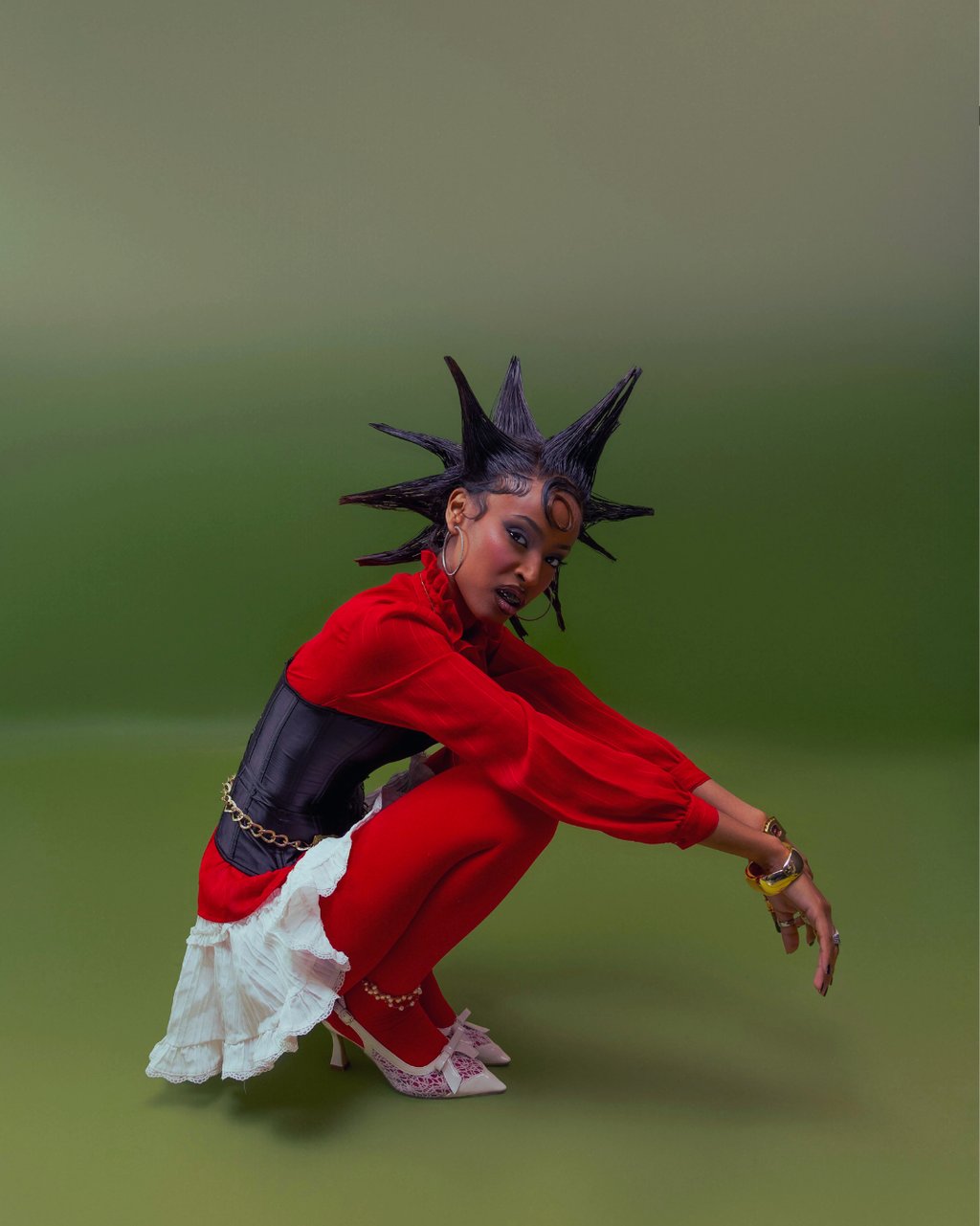
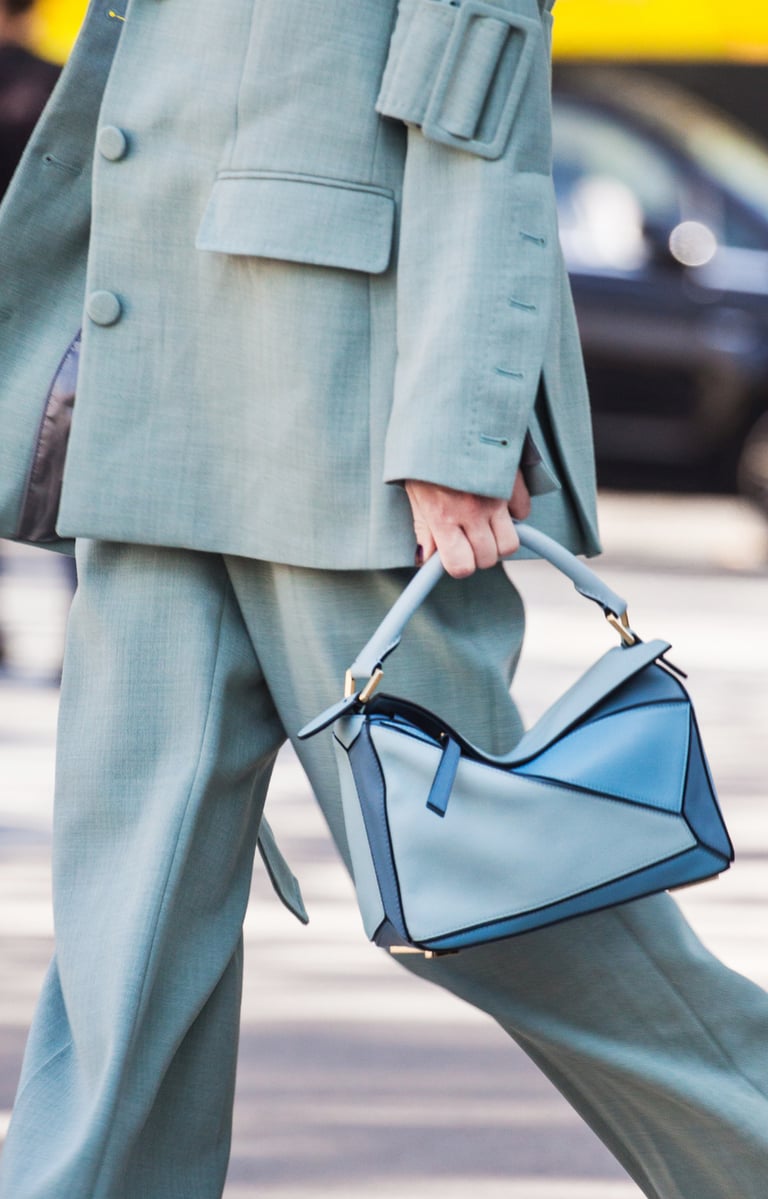
In the 1950s, Solomon Asch showed that people will often give obviously wrong answers simply to align with a group. In fashion and beauty, this same psychological pull is everywhere. The question isn’t why trends exist, but why so many aesthetics marketed as “unique” end up looking almost identical. The answer lies in what gets rewarded.
Social media platforms don’t just reflect taste — they actively shape it. Algorithms amplify what performs well, and over time, certain looks become coded as safe, desirable, and aspirational. One of the clearest examples of this is the rise of “Instagram face.”
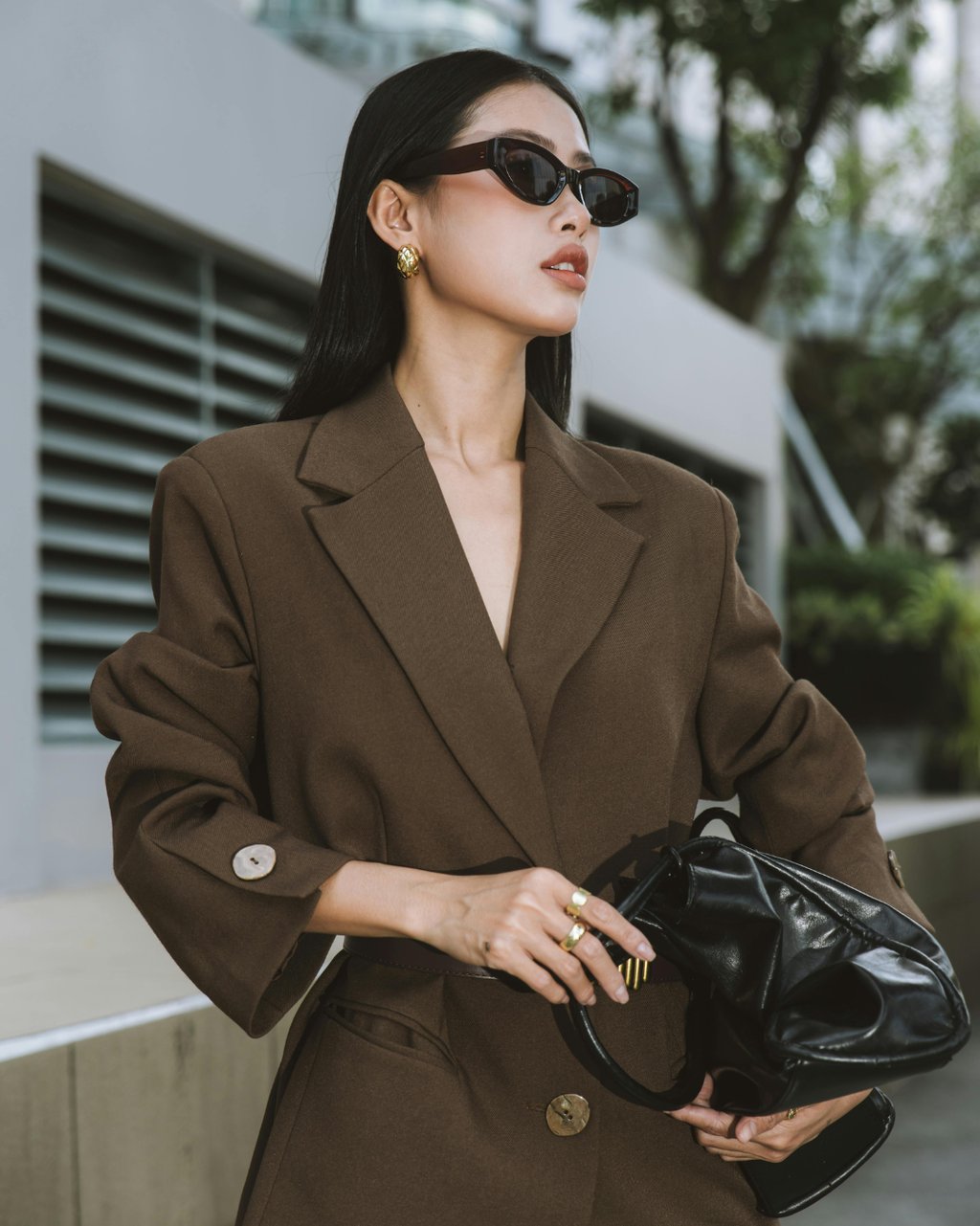
Instagram face refers to a highly specific, repeatable beauty ideal: symmetrical features, sculpted cheekbones, full lips, fox-eye brows, smooth skin, and a kind of polished neutrality that photographs well across cultures and feeds. While it’s often framed as versatility or “effortless beauty,” it is, in reality, a narrow template — one that is consistently rewarded with likes, visibility, and brand partnerships.
This isn’t about shaming anyone for how they look or present themselves. The critique is aimed at the systems, algorithms, platforms, and cultural reward structures that narrow our idea of beauty while convincing us we’re choosing freely. Beauty choices are deeply personal, and often shaped by confidence, survival, and self-expression not mindless conformity.
What makes Instagram face especially powerful is that it presents itself as choice. No one explicitly tells users to look this way. Instead, the platform quietly teaches which faces are celebrated, which ones are monetized, and which ones disappear into the algorithm. Over time, this creates a feedback loop: people adapt their makeup, skincare, cosmetic procedures, and even facial expressions to match what is most socially rewarded — all while believing they are simply refining their personal look.
This is where conformity disguises itself as self-expression.
The same mechanism operates within aesthetics like the clean-girl look, dark feminine, or coquette style. Individuals add personal flourishes, but the core visual language remains strikingly uniform. When influencers frame minimalism or hyper-polished beauty as “authentic,” they redefine authenticity itself — turning it into another aesthetic benchmark rather than a personal value. What feels like self-discovery is often closer to norm alignment, shaped by authority figures whose influence comes not from force, but from visibility, desirability, and perceived success.
In this sense, Instagram face functions as a modern authority standard. It tells us — silently — what beauty should look like if we want approval, belonging, and relevance. And much like Asch’s participants, many people go along with it not because they believe it’s the only way to look beautiful, but because resisting it comes with social costs: fewer likes, less validation, and subtle exclusion.
The paradox is this: we live in a culture that celebrates individuality, yet consistently rewards sameness. Instagram face isn’t just a beauty trend — it’s a visual symbol of how deeply our desire to belong shapes what we call “personal style.”
Individualism vs. Belonging: A Psychological Tug-of-War
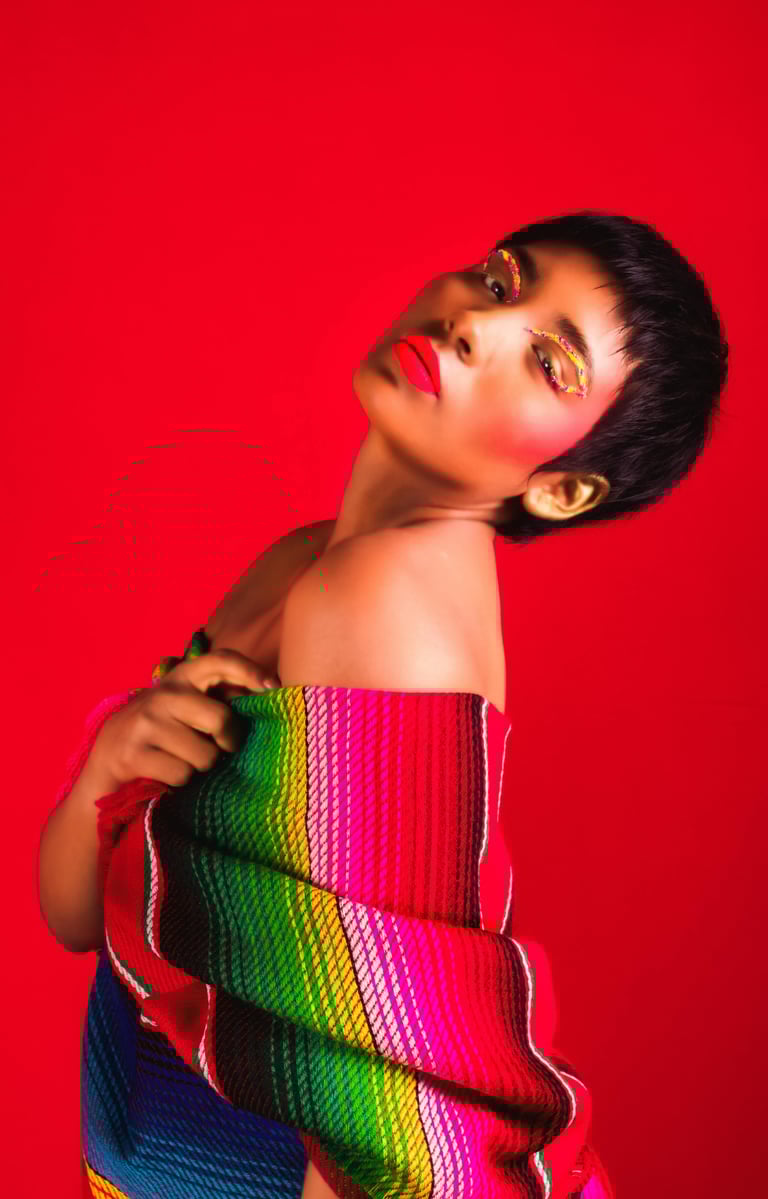
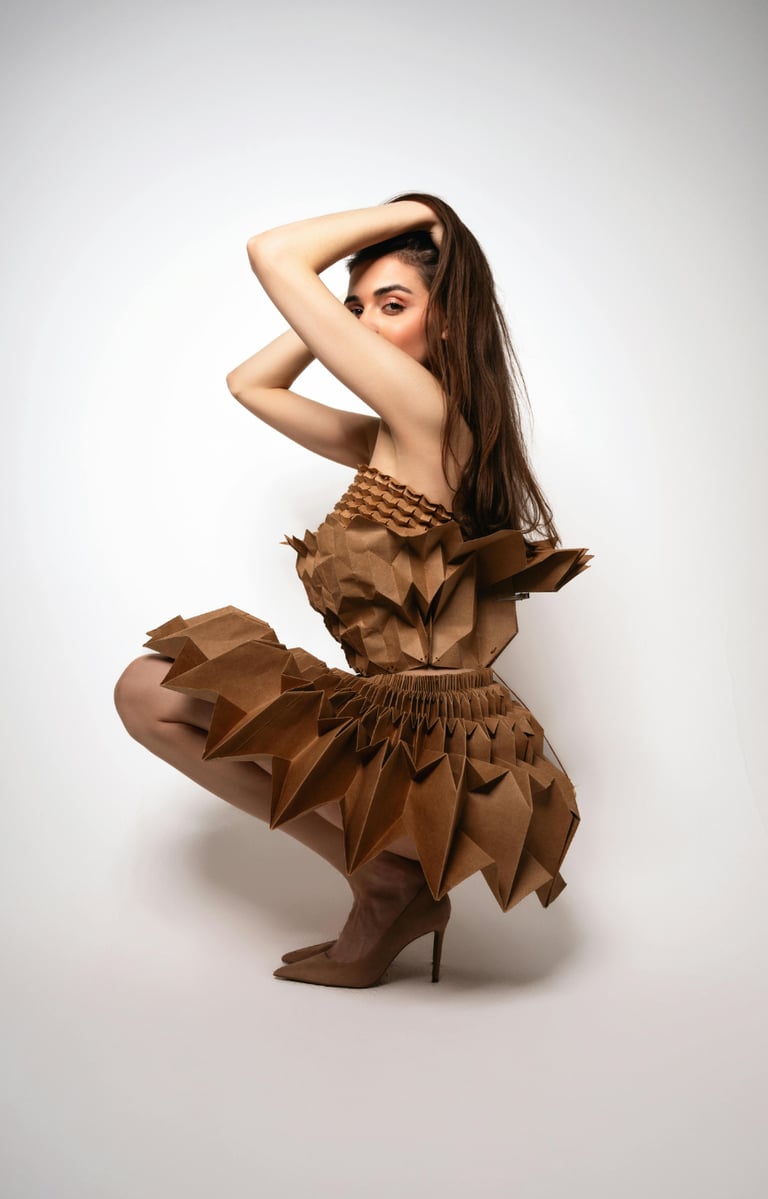
According to Self-Determination Theory, humans crave both autonomy (being independent) and relatedness (feeling connected). Social media amplifies this conflict — you want to stand out, but you also want validation from likes, shares, and followers.
The Paradox: Express Yourself (But Not Too Much)
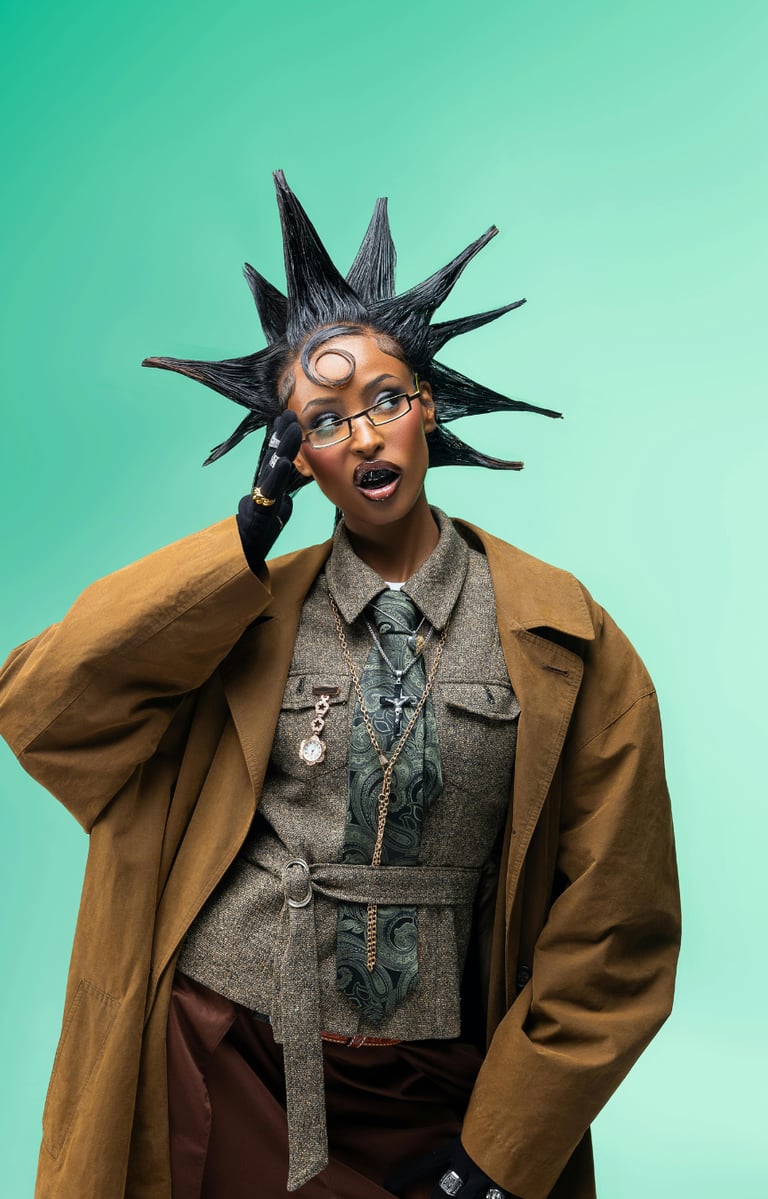
Today’s beauty and fashion culture operates within a paradox. We are told to be unique, yet the platforms we use to express ourselves reward conformity. Algorithms amplify what’s already popular; influencers package “authenticity” into easily digestible templates; and our basic psychological need for belonging keeps us tethered to the trends we claim to transcend.
The challenge for 2026 and beyond is not about rejecting trends or standing out at all costs—it’s about understanding why we make the choices we do. True individuality doesn’t always mean looking different; it can mean being aware of the influences shaping us, knowing why we engage with certain trends, and choosing what resonates with us personally, even when no one is watching. Trends can be embraced without losing your sense of self; the key is mindfulness.
Mwah, bye for now xx
Further Reading (For the Curious)
If you’d like to explore the psychology behind influence, conformity, and identity more deeply, these concepts are rooted in social psychology research.
© 2025. All rights reserved.
Contact information for general inquiries:
Email: info@lalashome.shop
Stay Inspired with Haus of Lala!
If you appreciate beautiful things done with intention, you’ll feel at home here. Join Haus of Lala for refined fashion, beauty, and lifestyle inspiration, thoughtfully curated and shared exclusively with subscribers.