
Lace Is Trending Again, But Not How You Remember It
1/9/2026
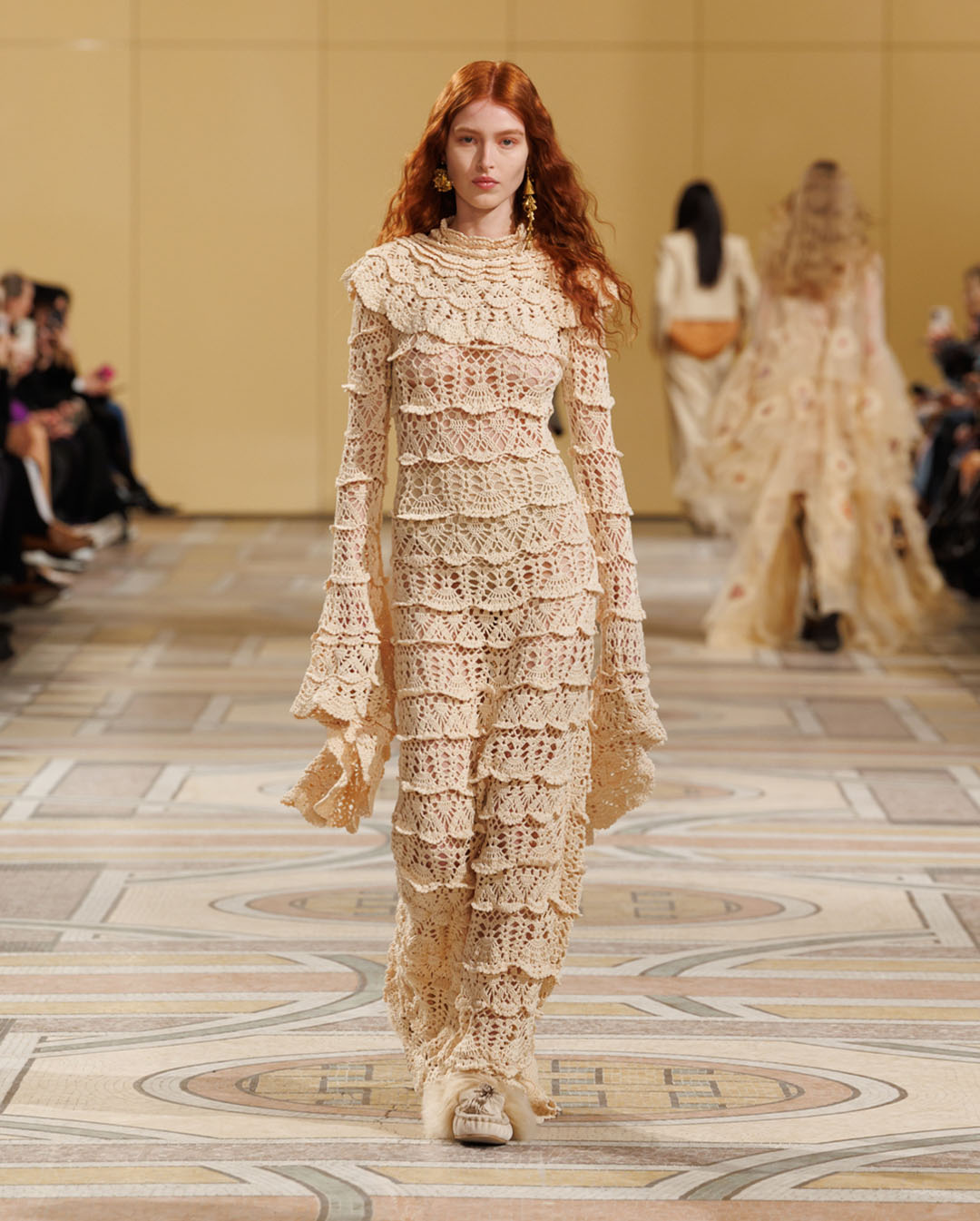
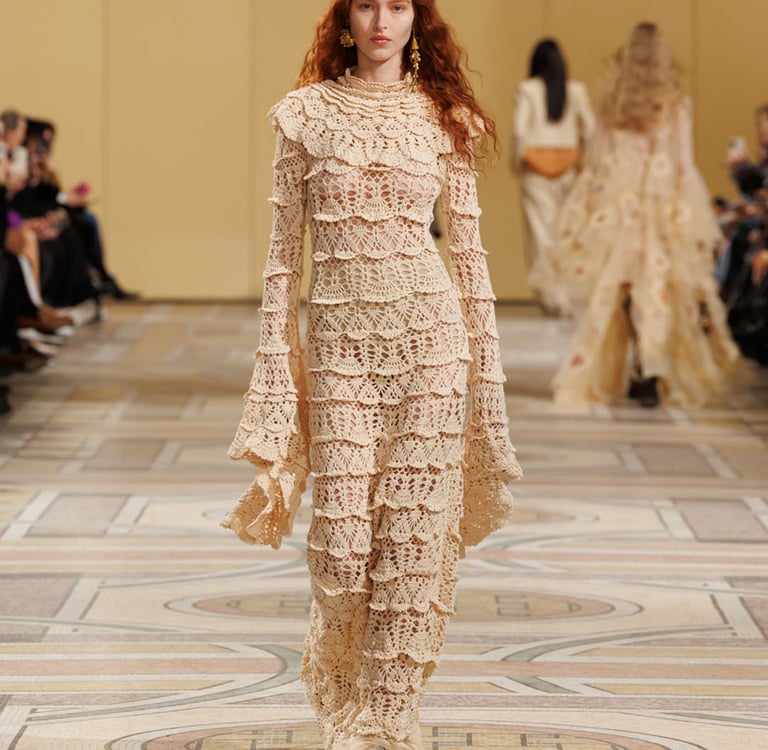
Lace is everywhere again. On runways, on mood boards, and saved on Pinterest boards. This return doesn’t feel nostalgic in the obvious sense. It isn’t bridal, costume-like, or overly precious. Instead, lace in 2026 feels intentional — almost emotional.
In the mainstream fashion landscape shaped by a few years of restraint, polish, and quiet minimalism, lace signals a subtle shift toward softness, texture, and feeling. After a long period defined by emotional fatigue — economic uncertainty, digital saturation, and algorithmic sameness — fashion is beginning to loosen its grip. Lace doesn’t arrive as escapism, but as release.
This isn’t about going back in time. It’s about reinterpreting what softness means now.
Is Lace Actually Trending?
Yes — and not just anecdotally. Across recent runway collections, lace has appeared consistently, but not as a decorative afterthought. Designers are treating it as a core fabric: layered, structured, exposed, and often contrasted with tailoring or utilitarian elements. Lace is no longer confined to eveningwear or overt romance. It’s being positioned as something expressive, architectural, and lived-in.
Pinterest reinforces this shift. In its latest trend reporting, Pinterest Predicts 2026, lace surfaces under the theme “Laced Up” , a signal not just of what people are looking at, but what they’re planning to wear. Pinterest is particularly revealing as a trend indicator because users save with future intention. When lace dominates boards, it suggests aspiration and emotional resonance rather than fleeting interest.
Much like runways have always acted as the original influencers, these collections shape what eventually filters into everyday wardrobes — and, inevitably, into more accessible interpretations. In other words, lace isn’t just trending visually. It’s trending psychologically.
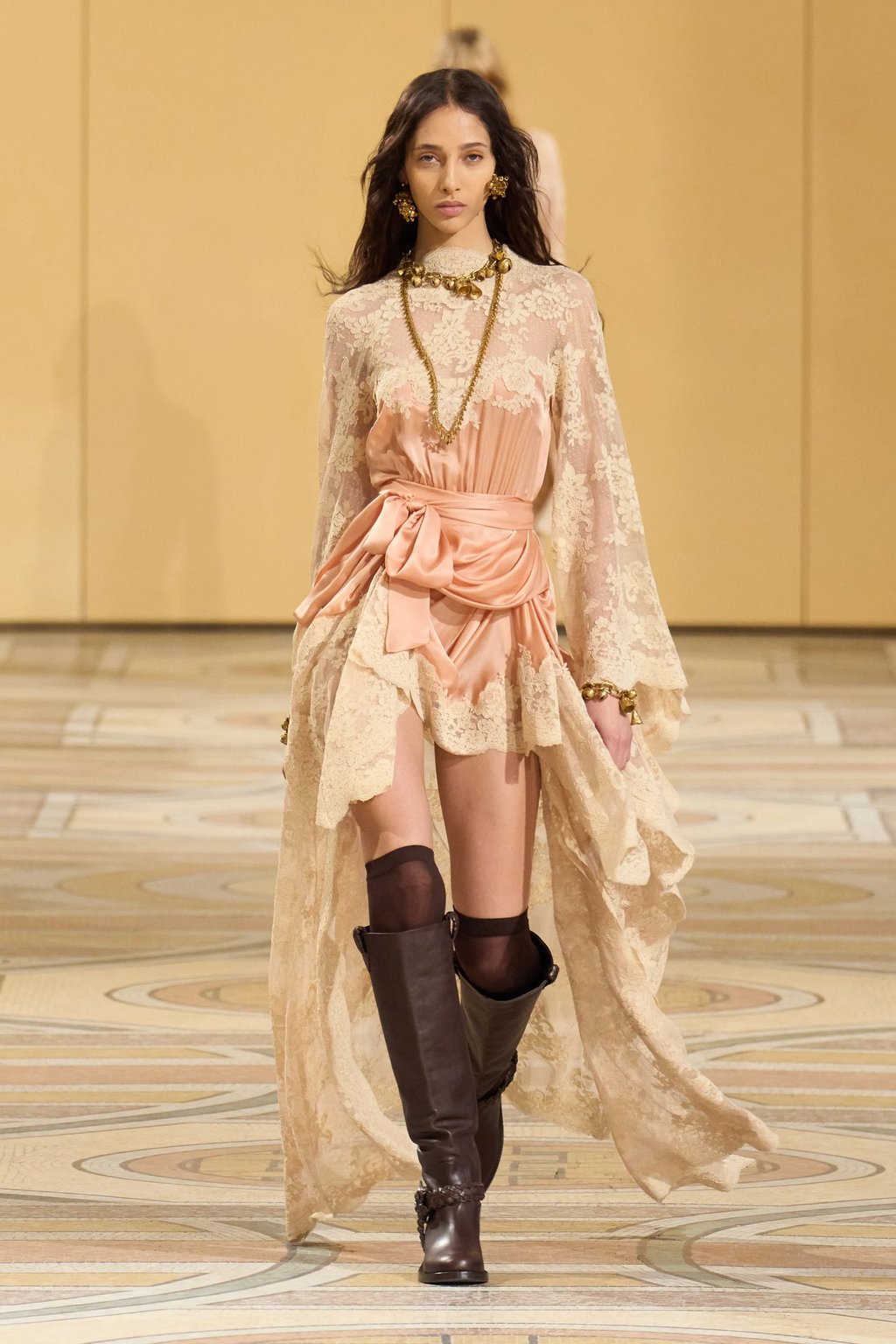
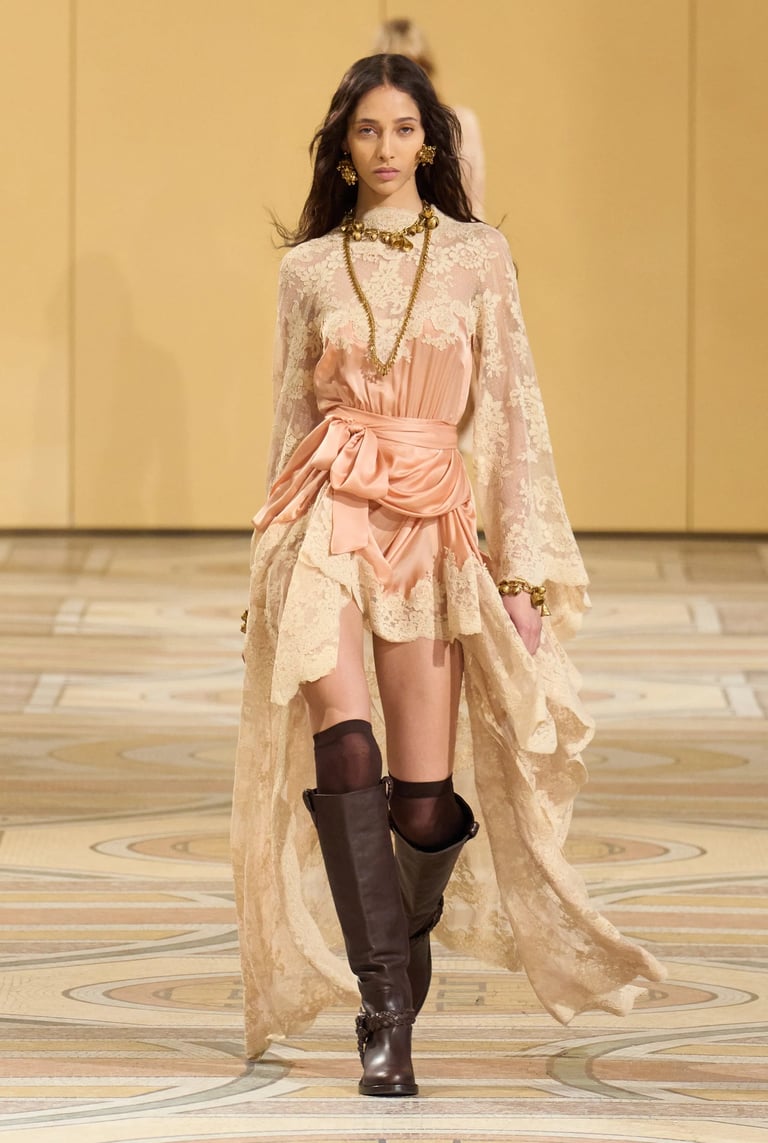
Credit: Zimmerman Fall 2025 Ready to wear
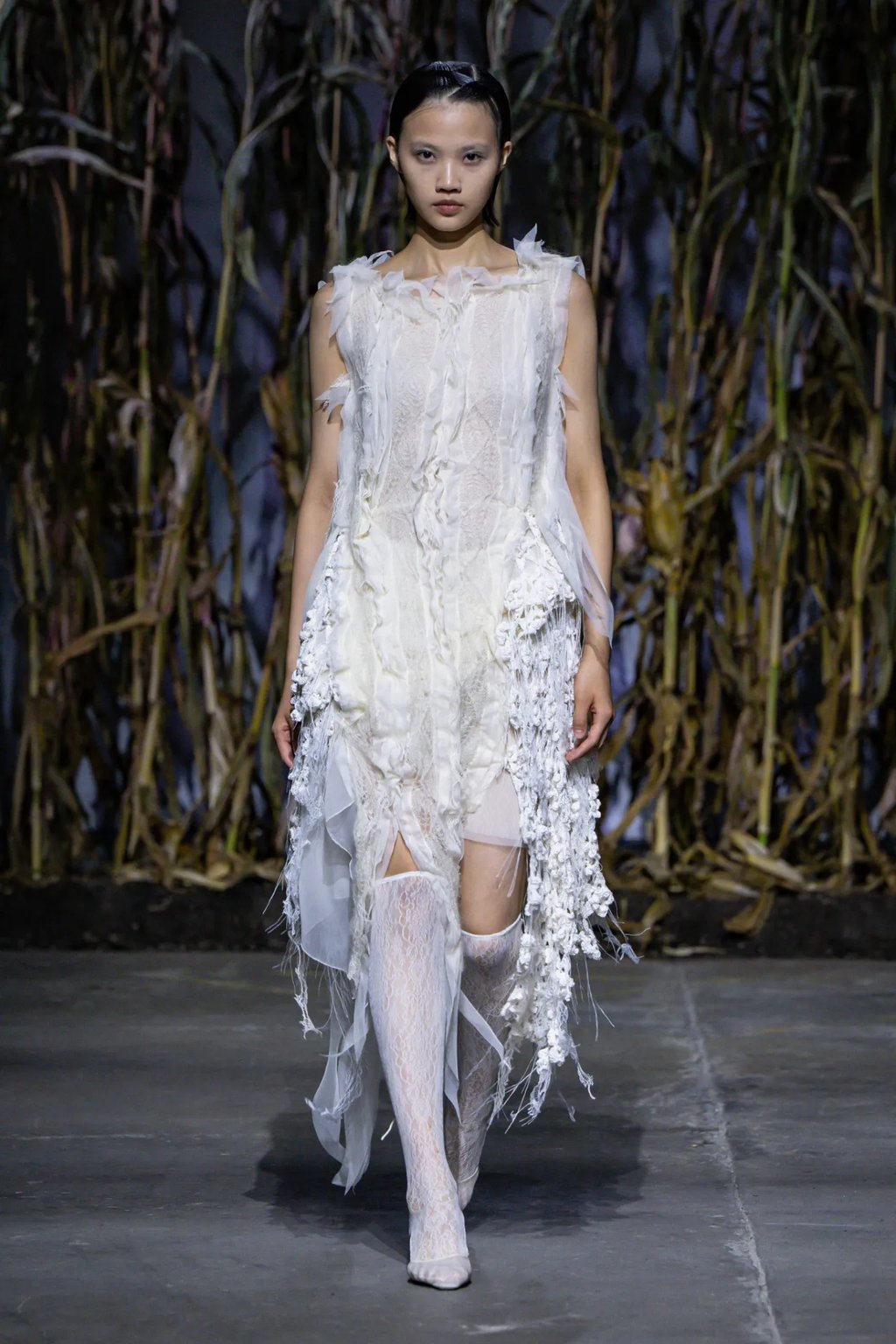
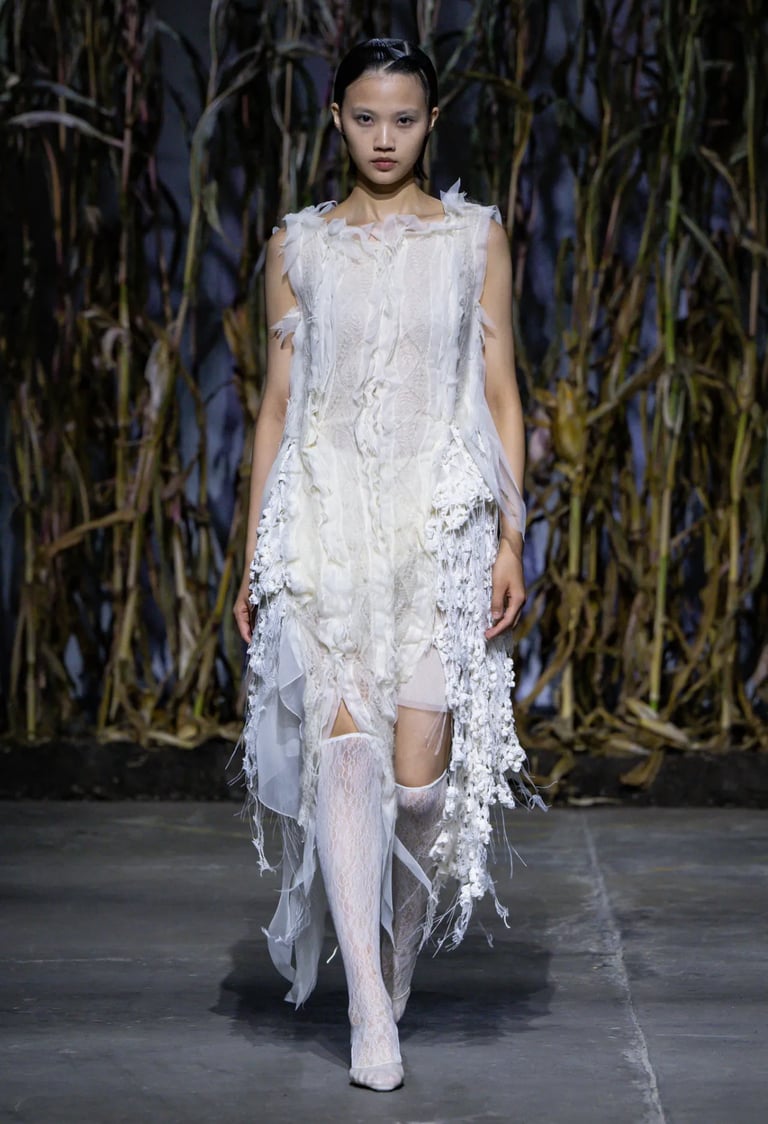
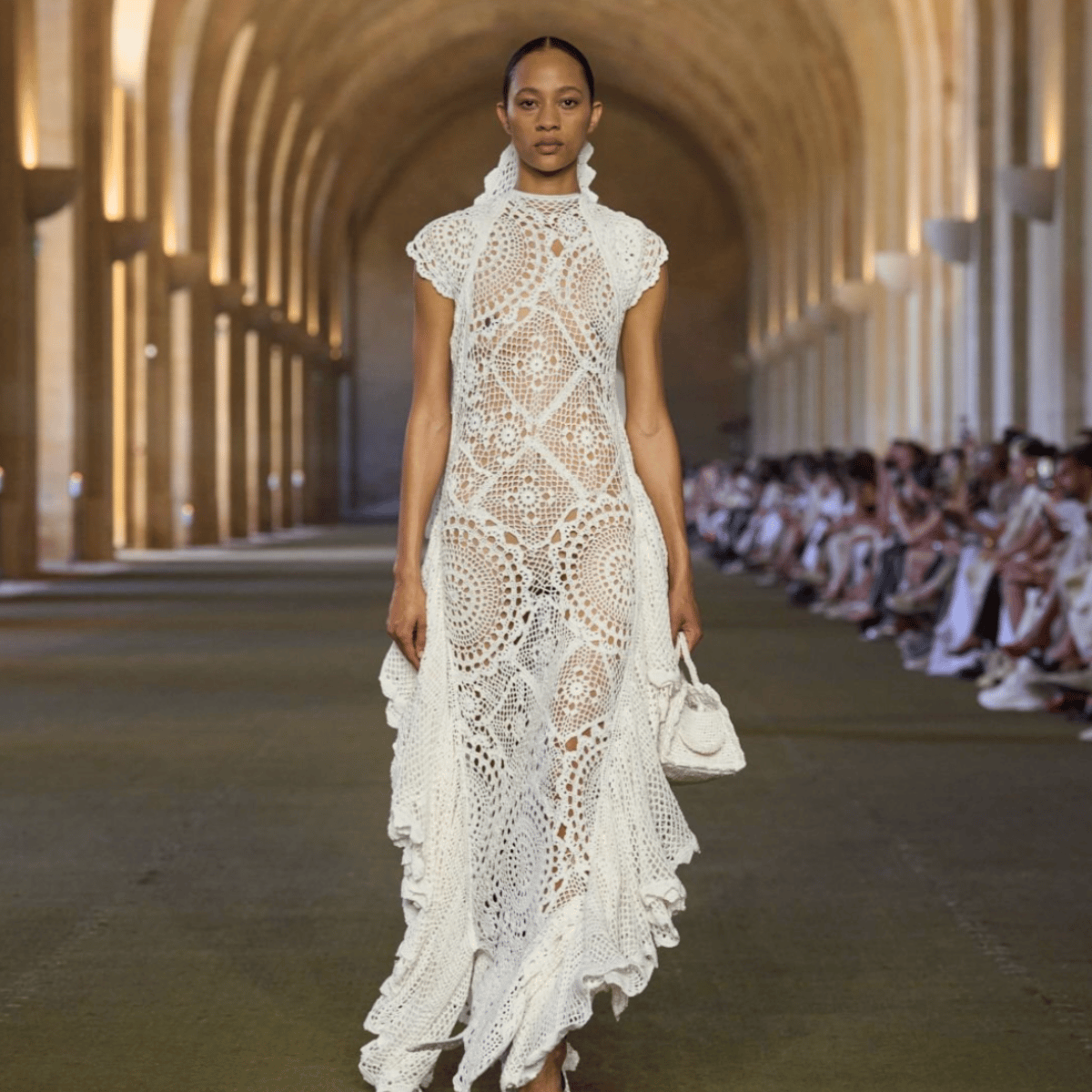
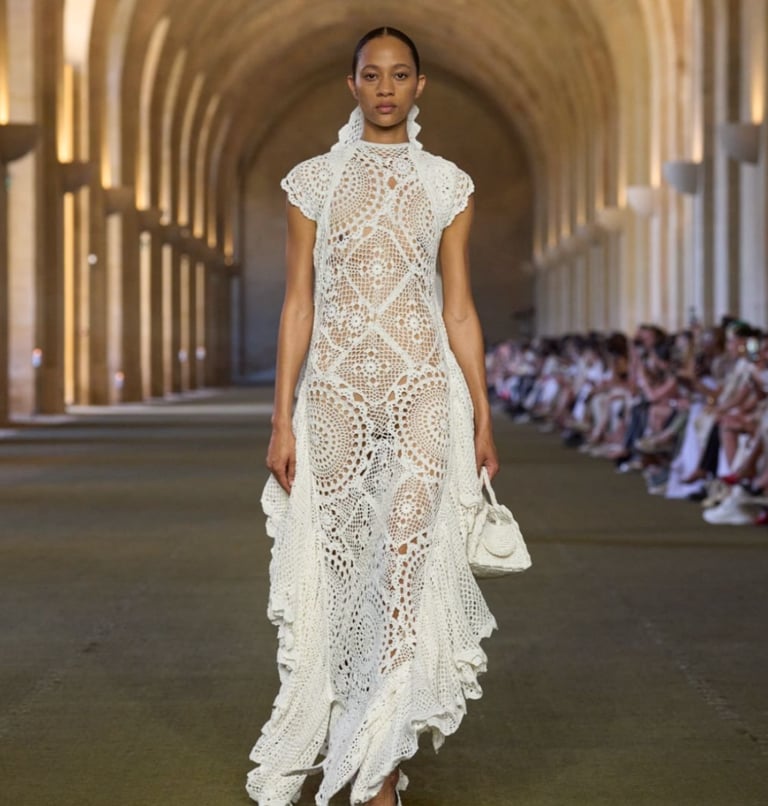
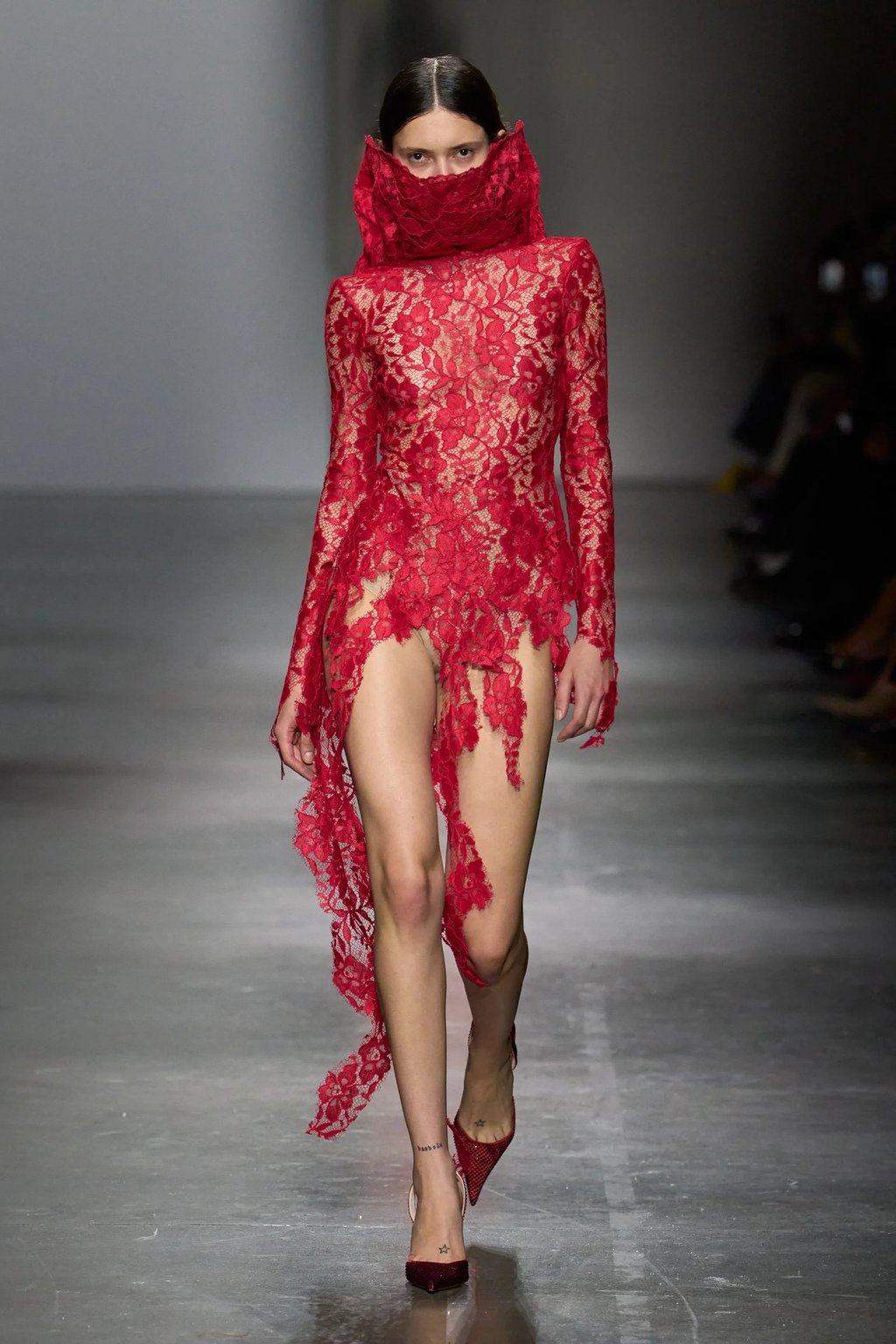
Credit: Pauline Dujancourt/Spring 2026 ready to wear
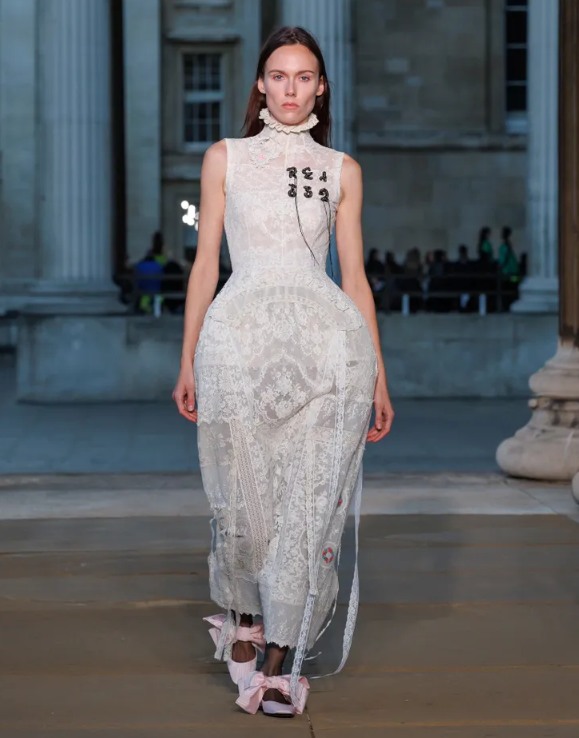
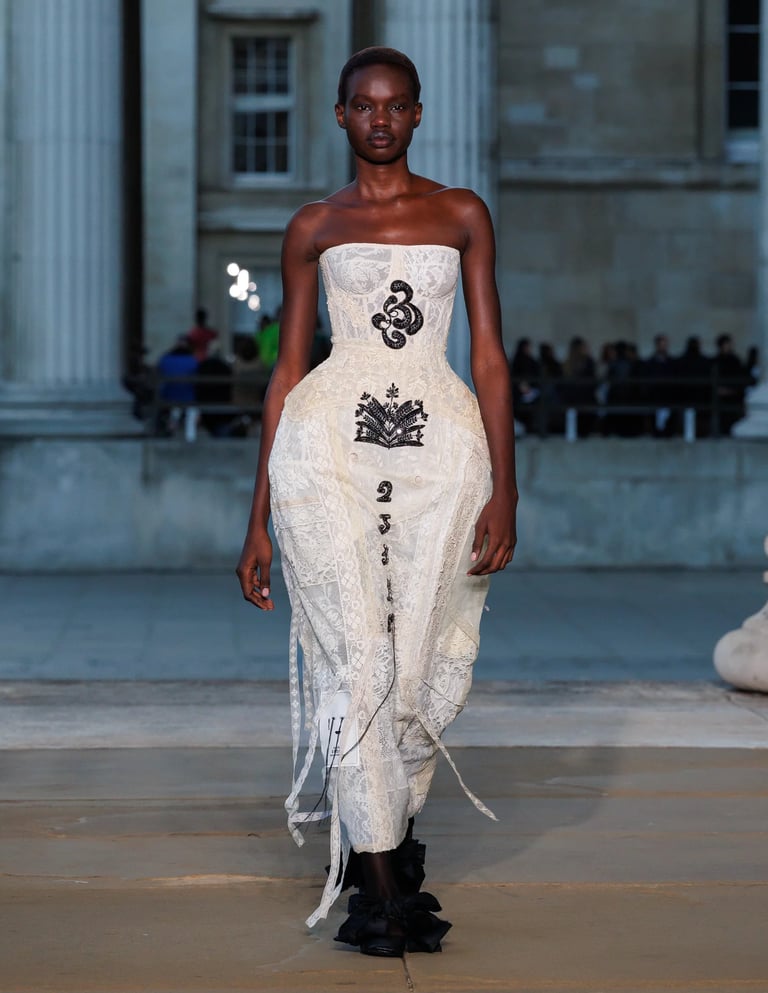
Credit: ERDEM/ Spring Summer 2026
Credit: Jacquemus/ Spring Summer 2026
A Brief History: Why Lace Carries Meaning
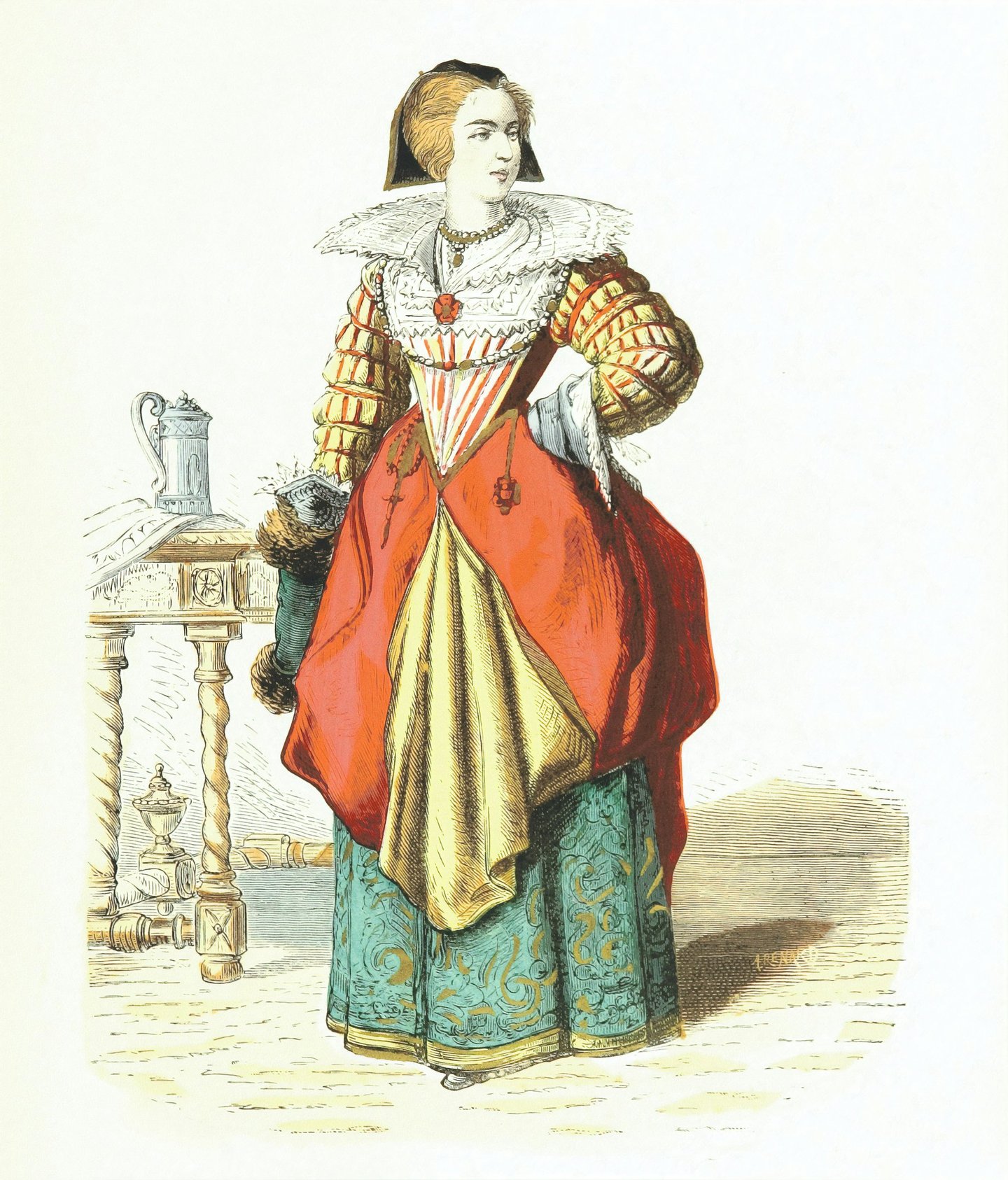
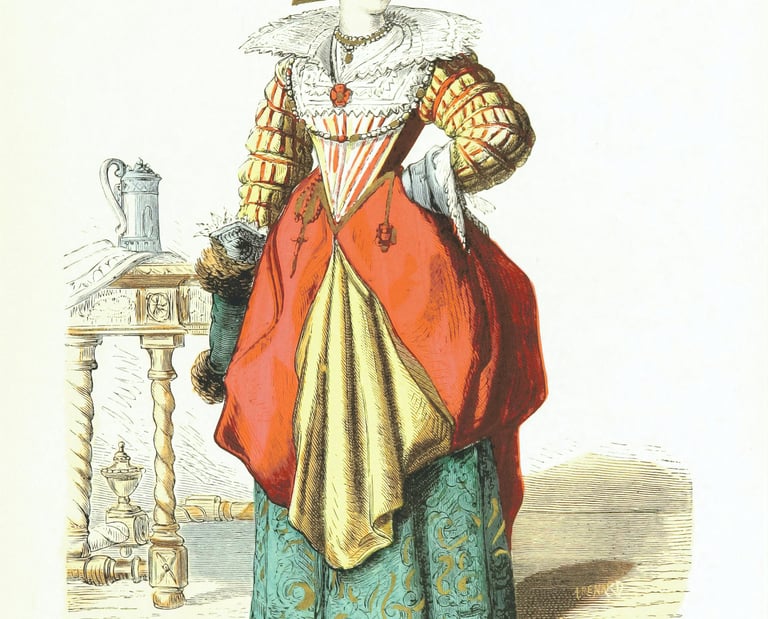
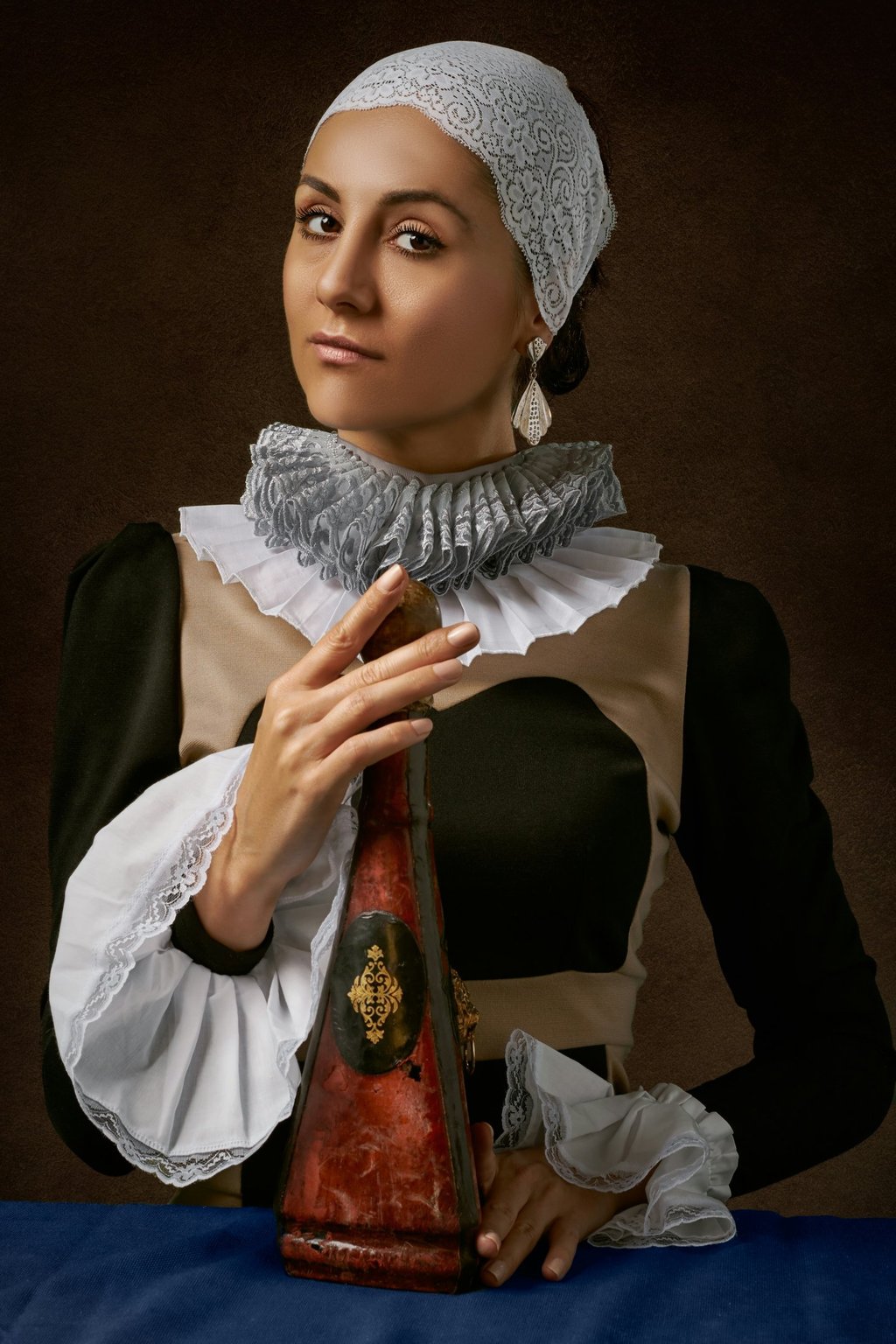
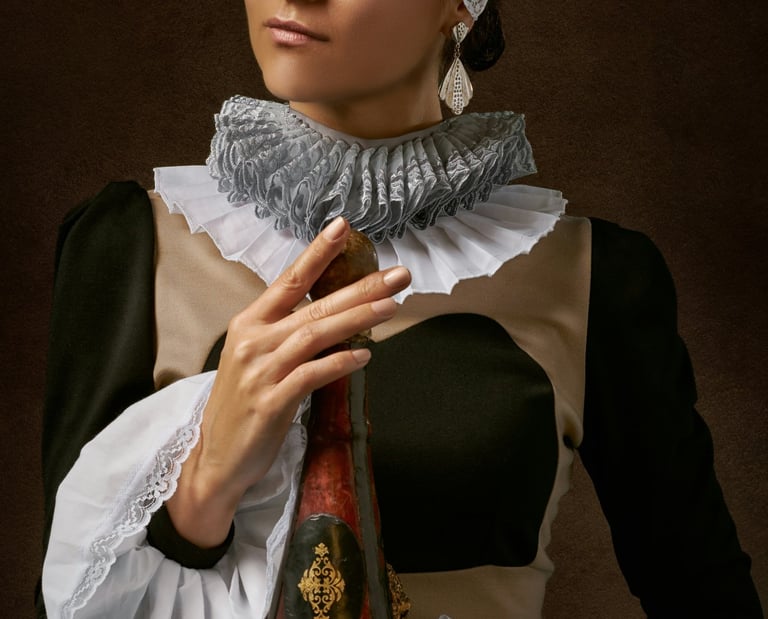
Lace first emerged in Europe during the sixteenth century, though it was only toward the latter part of that era that it gained widespread popularity. Its rise into high fashion truly took shape in the early seventeenth century, when lace became a visible marker of refinement, status, and discipline. In England, lace barely appeared in painted portraits until Queen Elizabeth I brought it into prominence — and even then, it was used sparingly, limited to delicate trims on cuffs and collars rather than full garments. Historical references adapted from A Short History of Early Lace by Ploeg.
That historical restraint is precisely what gives lace its symbolic weight.
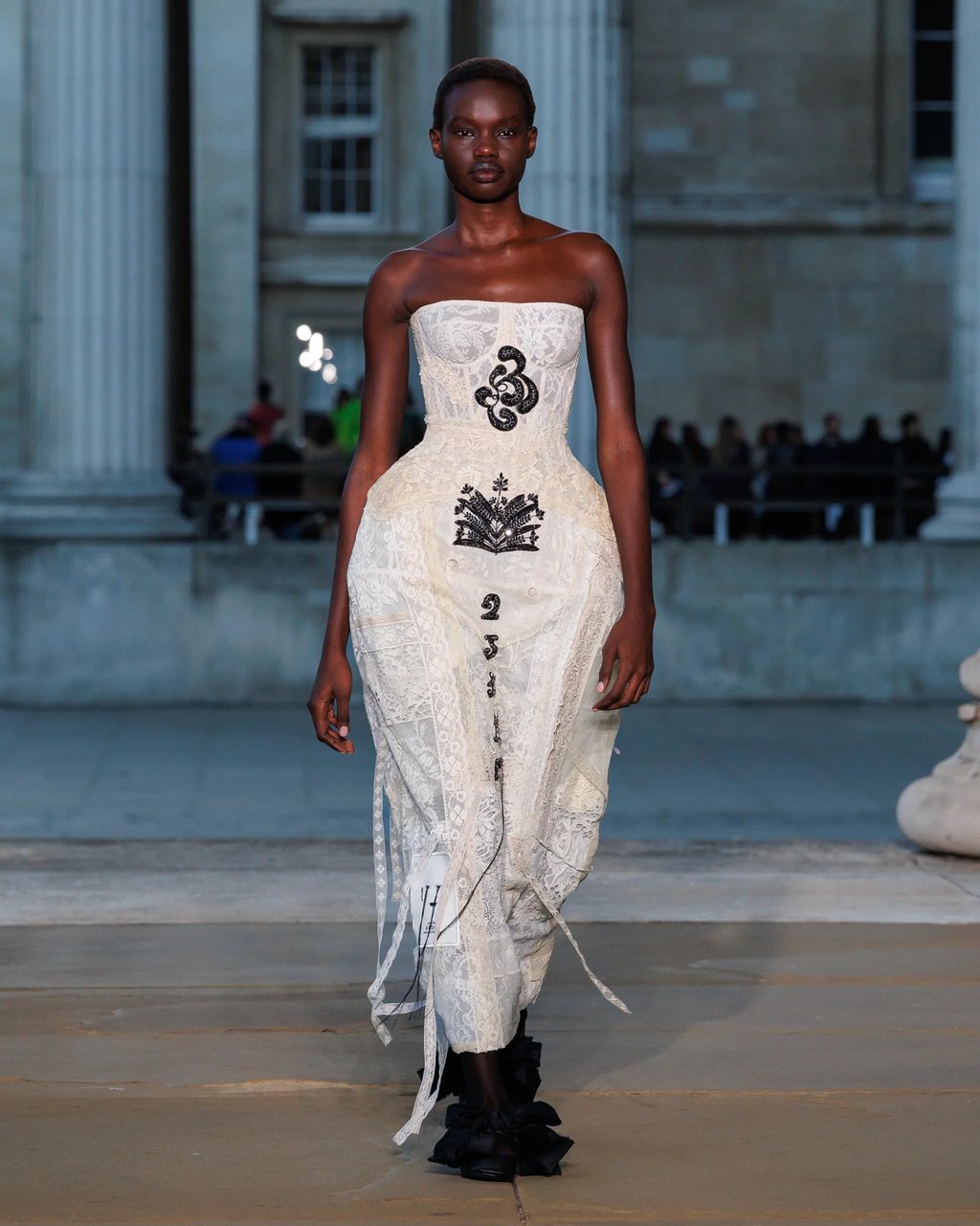
For Spring 2026, Erdem revisits these early lace traditions through a contemporary lens. Centred on an exaggerated hourglass silhouette and inspired by the late nineteenth-century Swiss medium Hélène Smith, the collection moves fluidly across centuries, as highlighted by Daisy Maldonado from InStyle. Intricate lacework appears alongside sculpted hips, vibrant brocades, and romantic detailing. While the silhouettes feel bold and modern, the lace itself subtly references its sixteenth-century origins, transforming early decorative techniques into something expressive, dramatic, and unmistakably current.


Why Lace Makes Sense Right Now
Lace’s return feels inevitable when viewed against the broader cultural context. For a few years, fashion leaned heavily into restraint, clean lines, neutral palettes, and “timeless” uniforms. These aesthetics mirrored a world seeking control amid uncertainty. Minimalism became emotional armour: safe, polished, uncontroversial.
Lace enters as its counterpoint. It introduces texture where things have felt flat. Vulnerability where things have felt overly curated. In an era defined by constant visibility — where identity is performed, monetized, and endlessly observed — lace offers a quieter kind of presence. It reveals without offering itself up. It suggests rather than declares.
This matters at a moment when femininity is being renegotiated. Softness is no longer synonymous with fragility. Visibility no longer implies availability. Lace operates in that in-between space, transparent, but controlled.
What Lace Represents Today
In its current form, lace holds multiple meanings at once — which is exactly why it resonates. For some, it represents romantic softness: a longing for gentler aesthetics in a hyper-digital world. For others, it’s about contrast, the tension created when delicate fabric meets sharp tailoring, heavy boots, or oversized silhouettes.
There’s also a quiet defiance embedded in modern lace. Sheer panels and exposed textures suggest self-awareness rather than submission. This isn’t lace worn to please. It’s lace worn to express. Sensuality without excess. Femininity without performance.
And then there’s craftsmanship. In a time dominated by fast cycles, AI-generated visuals, and algorithmic repetition, lace represents something slower and more tactile. It resists disposability. It carries the imprint of human labor, and that gives it emotional weight.
How Lace Is Being Used on the Runway
Designers are experimenting with lace across a wide range of silhouettes. We’re seeing it in fluid dresses that move with the body, creating lightness and intimacy. At the same time, lace appears in more controlled forms — corseted bodices, tailored skirts, architectural tops — where delicacy is balanced by structure. Lace is appearing across designers’ collections in ways that reinterpret femininity. Far from its traditionally soft sixteenth-century roots, it now takes on structure, edge, and unexpected forms.
Layering plays a central role. Lace is often placed over opaque fabrics to create depth rather than pure transparency. In other cases, it appears asymmetrically: a lace sleeve, a panel, a partially sheer hemline. These choices make lace feel intentional rather than ornamental. The message is clear: lace is no longer confined to one aesthetic. It adapts.
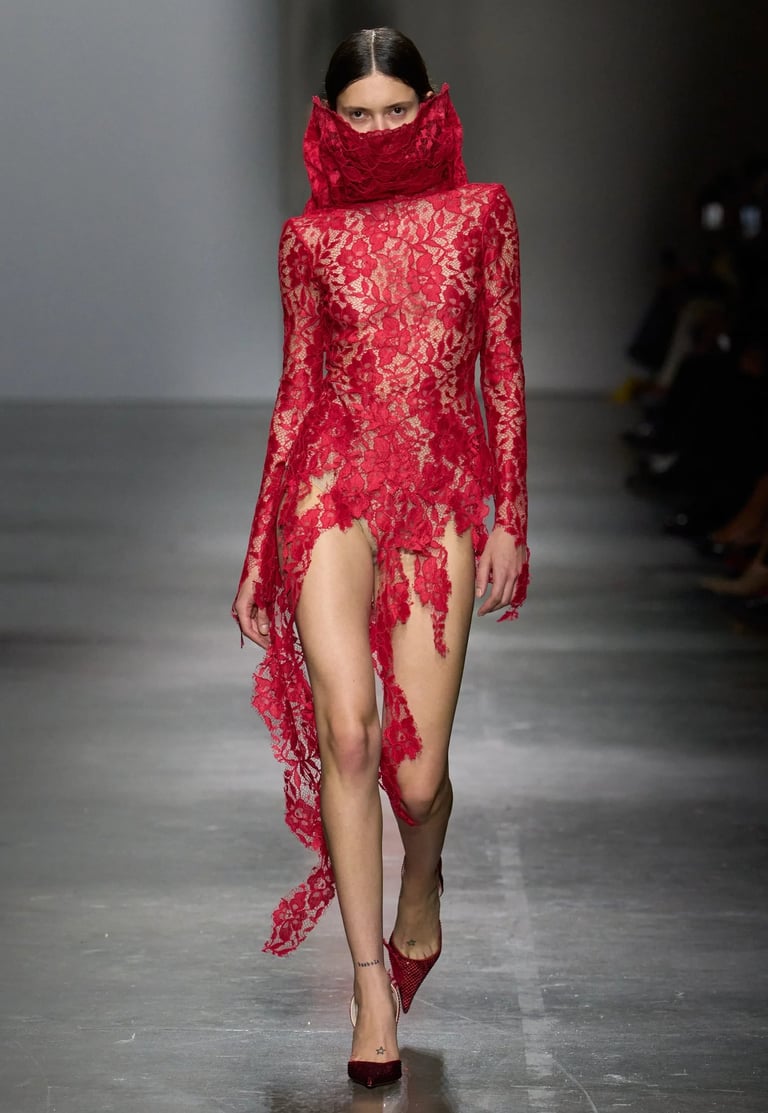
Credit: Zimmerman/ Fall 2025 ready to wear
Credit: Vogue/ Giuseppe Di Morabito Spring 2026 ready to wear
Credit: ERDEM/ Spring Summer 2026
Lace Beyond the Runway
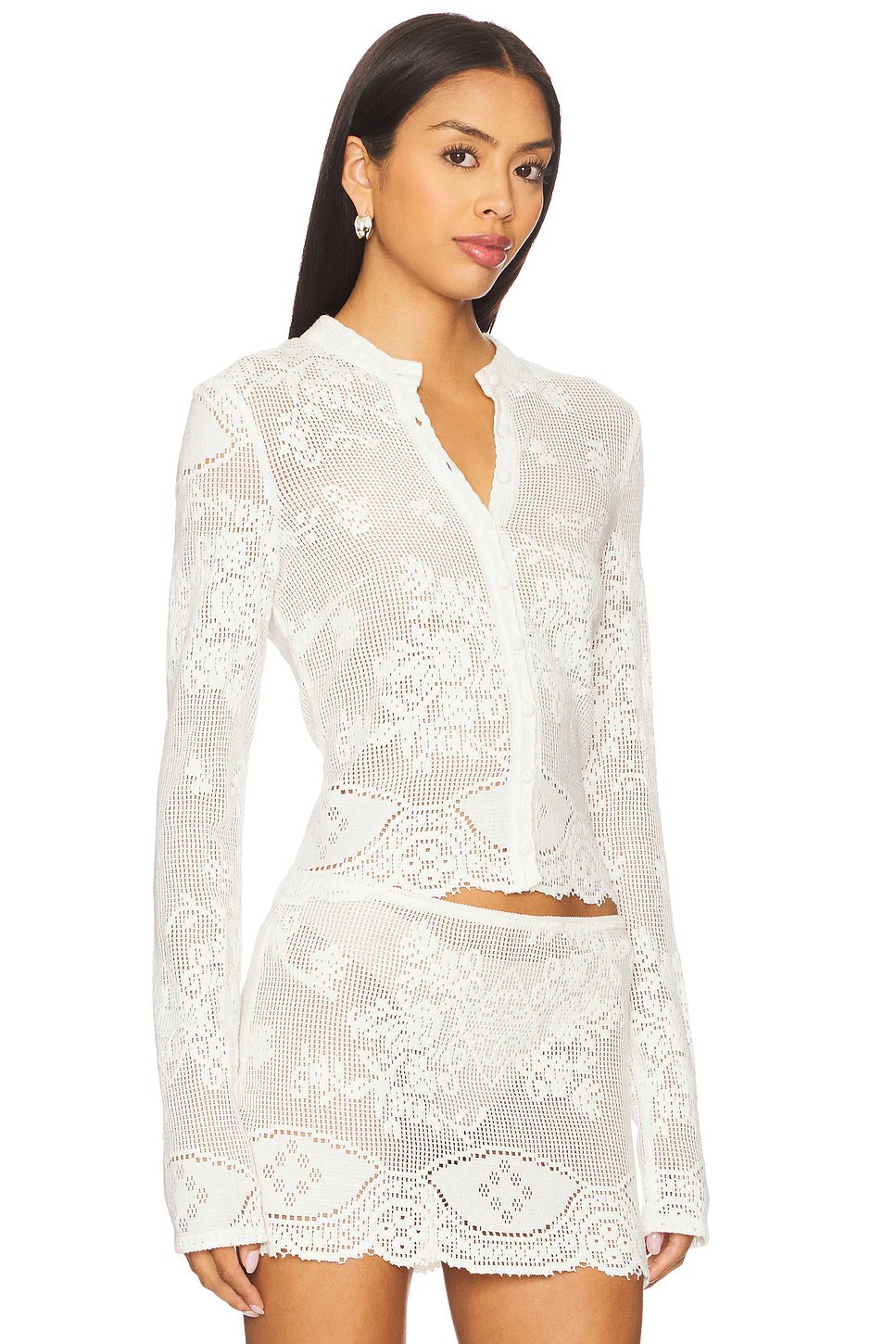
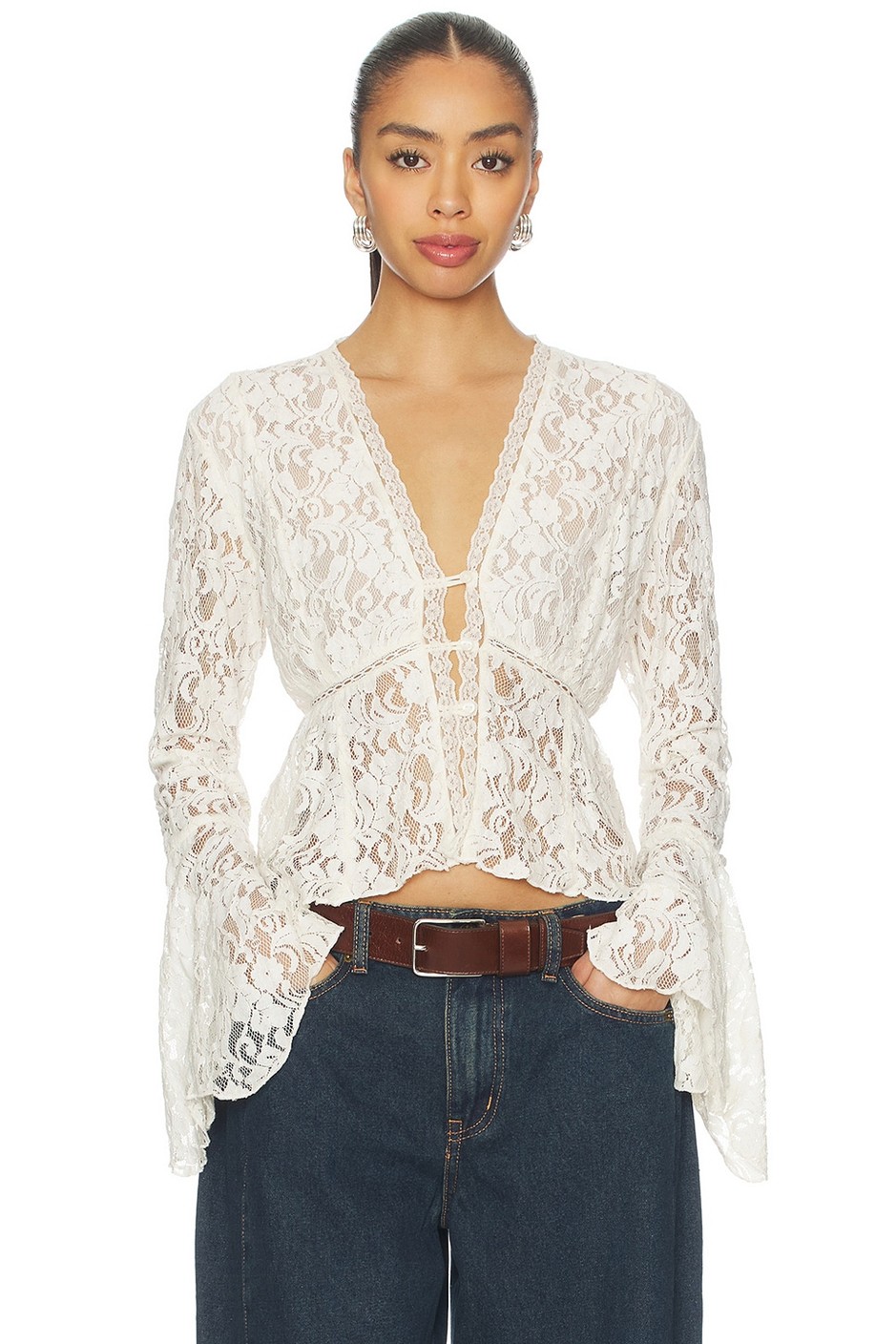
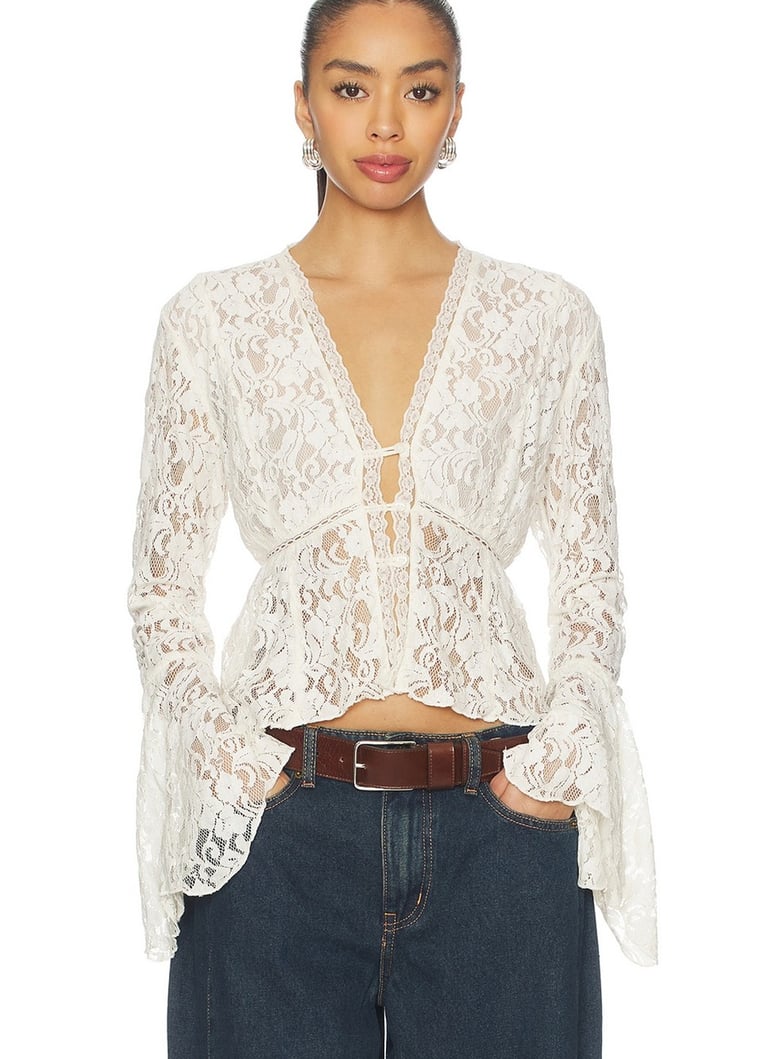
What makes lace’s return particularly telling is how it’s appearing off the runway. It’s no longer reserved for formal moments or styled to feel precious. Instead, lace shows up layered under knits, paired with denim, grounded by flat shoes, oversized coats, or simple tailoring. These aren’t aspirational looks designed for spectacle; they’re personal ones.
Lace is being absorbed into everyday wardrobes, suggesting that its appeal isn’t about performance, but comfort, emotion, and quiet expression. When a fabric moves this seamlessly from runway to real life, it stops being a trend and starts becoming language.
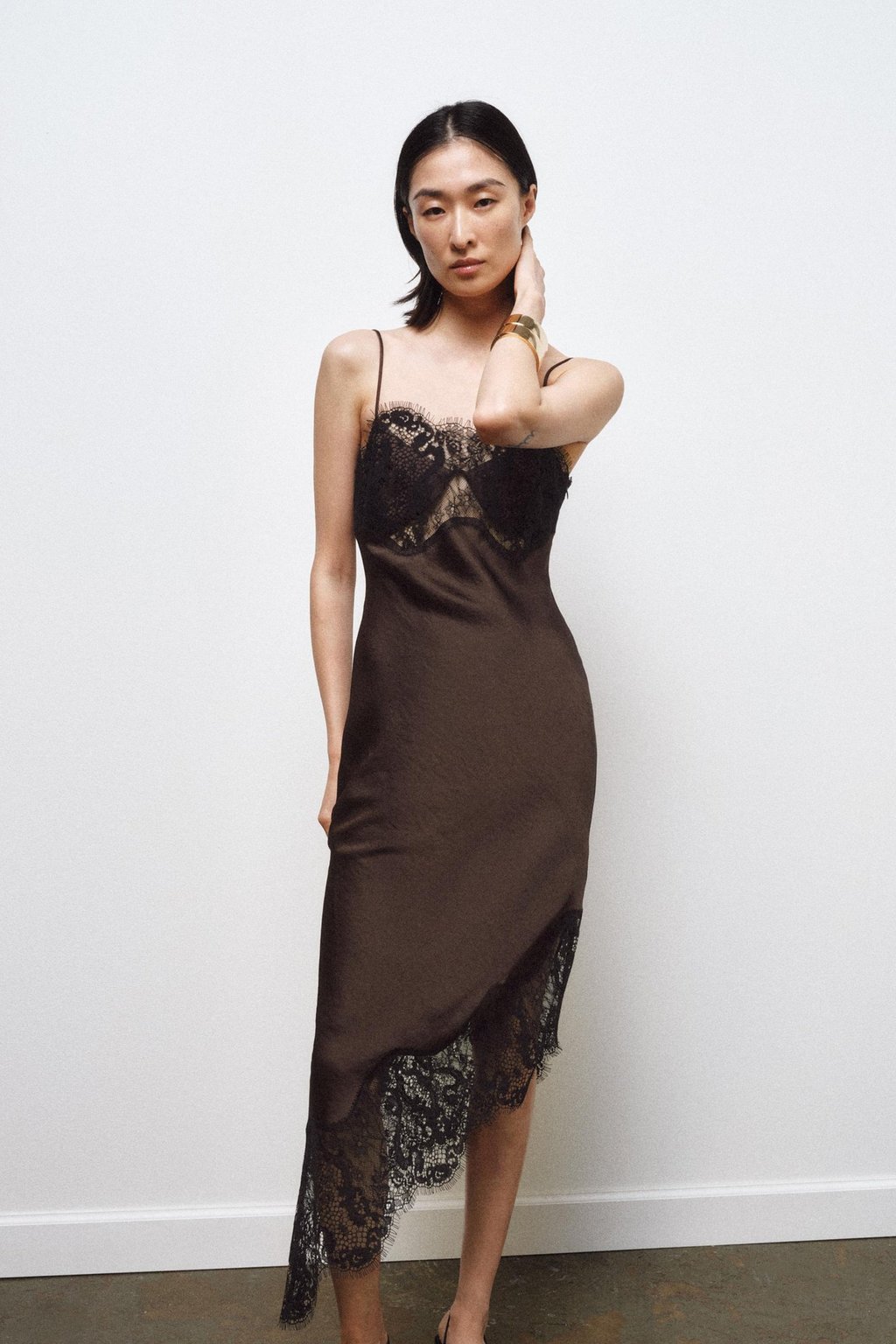
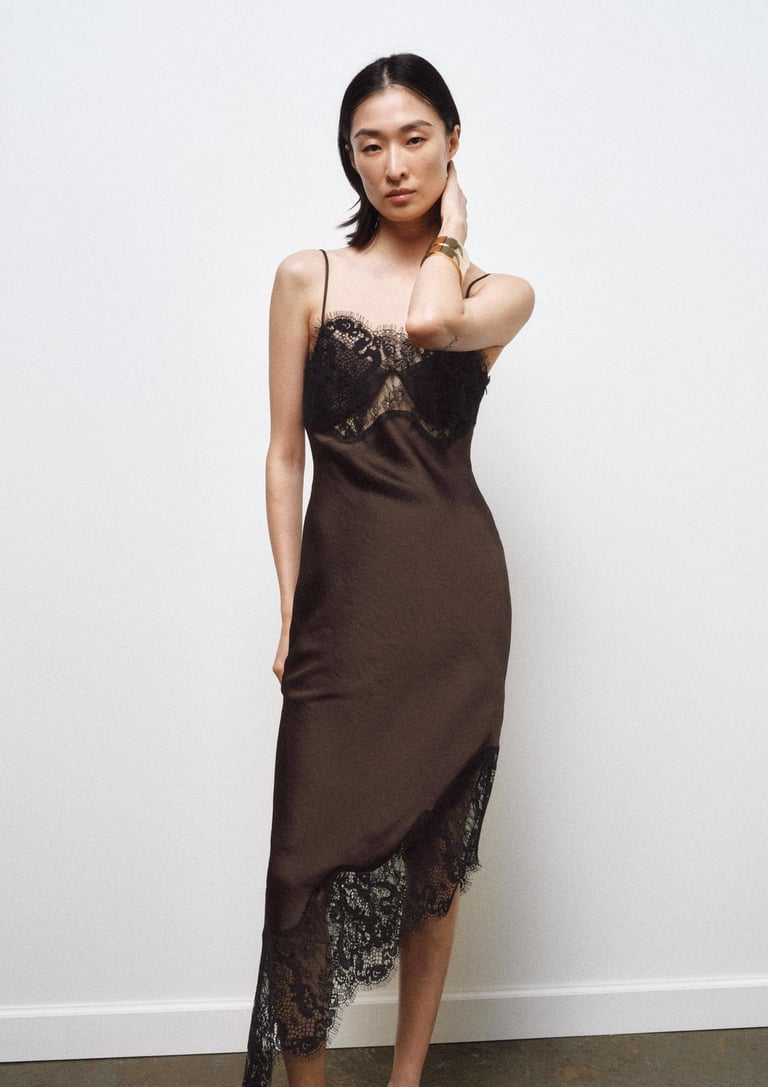
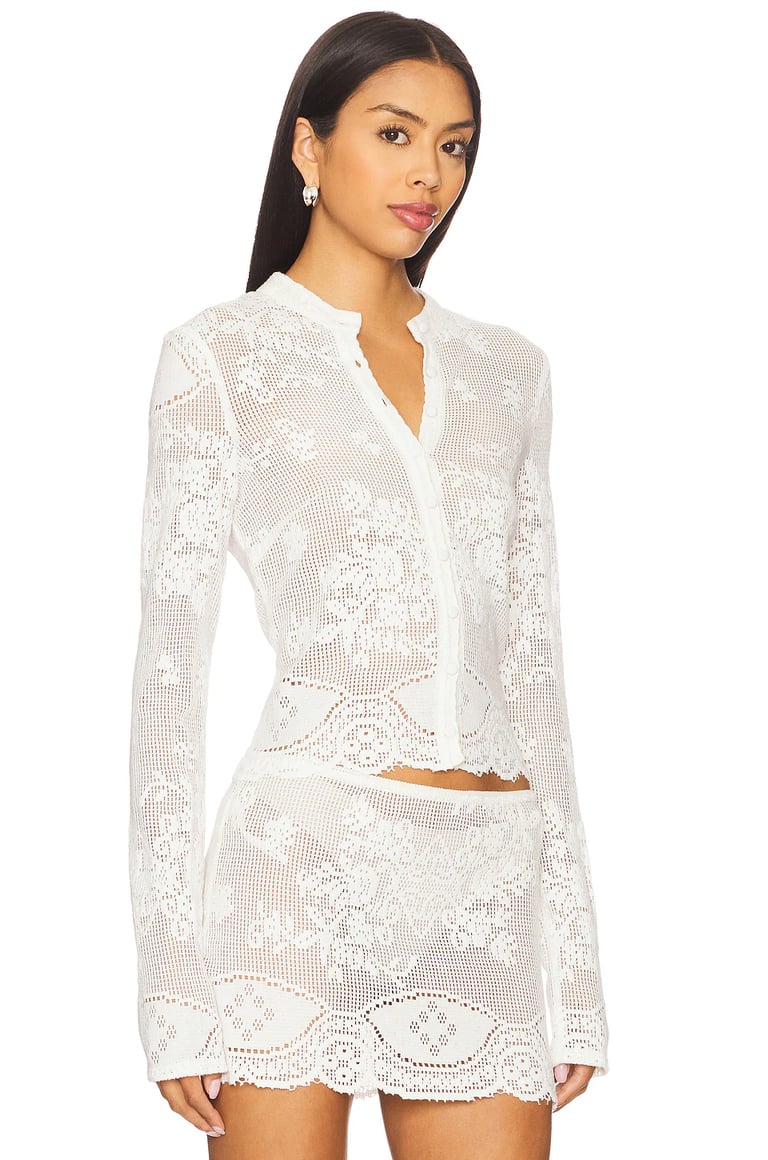
Credit: Zara
Credit: Revolve
Credit: Revolve
The Psychology Behind Lace
Psychologically, lace sits at the intersection of vulnerability and control. Its transparency invites awareness, not self-consciousness, but presence. Wearing lace can heighten how one feels in their body, encouraging expression without overstimulation. It’s a fabric that allows emotion without chaos.
On a collective level, lace reflects a broader desire to move away from perfection and toward texture. People are less interested in looking flawless and more interested in looking felt. Lace offers softness without weakness, intimacy without exposure, and expression without excess. Fashion often mirrors emotional undercurrents. Right now, lace speaks to a longing for humanity.
Why Lace Matters Now
Lace isn’t just a revived trend. It’s a signal. It points to a shift from uniformity toward nuance, from restraint toward emotional depth, from clean surfaces toward layered meaning. Whether worn romantically, rebelliously, or quietly, lace creates space for interpretation — and that openness is precisely what gives it power.
In 2026, lace isn’t about the past.
It’s about how we want to feel moving forward.
Subscribe to our newsletter
Get the latest fashion and beauty updates from Haus of Lala—straight to your inbox.
Read More
© 2025. All rights reserved.
Contact information for general inquiries:
Email: info@lalashome.shop
Stay Inspired with Haus of Lala!
If you appreciate beautiful things done with intention, you’ll feel at home here. Join Haus of Lala for refined fashion, beauty, and lifestyle inspiration, thoughtfully curated and shared exclusively with subscribers.